Introduction
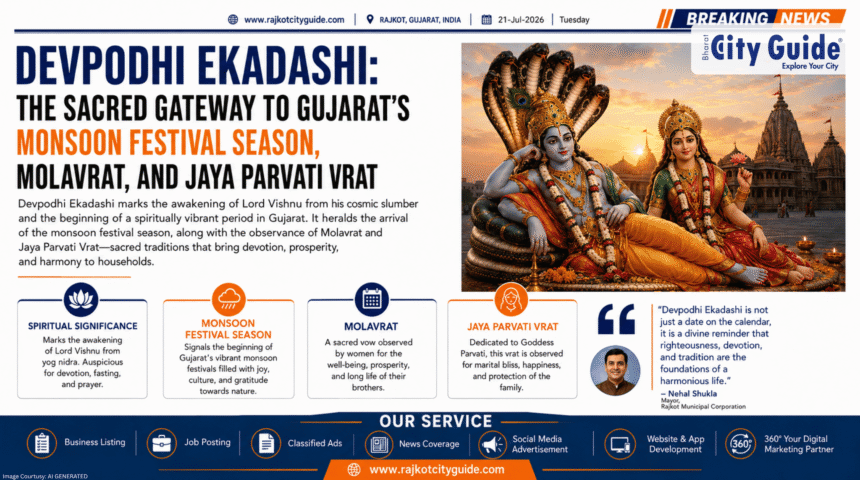
The cultural landscape of Gujarat is setting up a vibrant period of spiritual devotion, fasting, and social celebration. The arrival of the auspicious day of Devpodhi Ekadashi officially marks the opening of a major chain of traditional Hindu festivals across the state. Observed on the eleventh lunar day of the waxing moon phase in the month of Ashadha, this holy day signifies a major astronomical and spiritual shift in the traditional calendar. It initiates Chaturmas—the holy four-month holy period of contemplation, restricted diets, and heightened devotion.
- Introduction
- What is Devpodhi Ekadashi?
- Why This News is Important
- Background Information and Context
- Key Highlights of the Festive Chain
- Detailed Explanation of the Core Festivals
- Importance and Benefits of the Festive Sequence
- How It Impacts People
- Expert Insights and Perspectives
- Challenges and Modern Adaptation
- Future Outlook
- Frequently Asked Questions (FAQs)
- Conclusion
Following the observance of Devpodhi Ekadashi, the religious calendar quickly unfolds into localized fasts deeply embedded in Gujarati society. Within days of this gateway event, young girls and married women prepare to observe two highly anticipated spiritual practices: Molavrat (also known as Gauri Vrat) and Jaya Parvati Vrat.
These fasts bring a sense of joy and community to neighborhoods across urban hubs like Rajkot and remote rural villages alike. As markets fill with worship materials, fresh sprouts, and fasting ingredients, Gujarat enters a beautiful phase where ancient traditions are celebrated with modern energy. This comprehensive guide covers the spiritual significance of the season, specific dates, required rituals, and the deep cultural impacts of these celebrations.
What is Devpodhi Ekadashi?
Devpodhi Ekadashi, widely known across India as Devshayani Ekadashi, Ashadhi Ekadashi, or Hari Shayani Ekadashi, is one of the most spiritually significant fasts in the Hindu orthodox calendar. The term Devpodhi in the Gujarati language translates to “the sleeping of the divine.” According to Puranic cosmology, on this specific day, Lord Vishnu enters Yoga Nidra—a state of divine cosmic sleep—resting upon the Shesha Naga snake in the cosmic Kshira Sagara (Ocean of Milk).
Lord Vishnu remains in this cosmic sleep for exactly four months. The period concludes on Prabodhini Ekadashi (Dev Diwali) in the month of Kartik, when the deity awakens to signal the resumption of auspicious ceremonies like weddings. Because the protector deity is in deep slumber, the cosmic energies change. The next four months are dedicated to introspection, dietary purification, prayers, and self-restraint rather than materialistic celebrations.
Why This News is Important
The seasonal arrival of this festival sequence matters greatly to the social and economic flow of contemporary Gujarati society:
- The Kickoff of Chaturmas: The occurrence establishes the strict framework for Chaturmas, changing daily routines, dietary habits, and temple schedules for millions of households.
- Preserving Cultural Traditions: Festivals like Molavrat and Jaya Parvati Vrat offer unique opportunities for younger generations to connect with ancestral customs, reinforcing community bonds.
- Boosting Local Markets: The consecutive dates of these fasts create a major surge in local trade, benefiting vendors of fruits, specialized fasting ingredients (farali foods), pooja items, and traditional attire.
- Spiritual Renewal: The period offers a collective mental break, encouraging community members to pause their fast-paced routines and focus on wellness and inner peace.
Background Information and Context
The structural timing of these events is anchored within the traditional Vikram Samvat calendar used across Western India. Devpodhi Ekadashi occurs during the bright half (Shukla Paksha) of the Ashadha month. The specific dates align clearly, with the major fasts following in quick succession.
| Festival Name | Calendar Alignment Context | Core Focus & Rituals |
| Devpodhi Ekadashi | Ashadha Sud Ekadashi | Complete fasting, Vishnu prayers, start of Chaturmas. |
| Molavrat (Gauri Vrat) | Starts shortly after Ekadashi | Observed by young girls using wheat grass sprouts (Javara). |
| Jaya Parvati Vrat | Begins immediately after Molavrat | A 5-day saltless fast dedicated to Lord Shiva and Goddess Parvati. |
The cultural continuity of these fasts has remained remarkably strong. While the context of daily life changes in industrial hubs, the underlying practices—growing Javara (wheatgrass seedlings), avoiding table salt, and visiting Shiva temples—are still performed with great care.
Key Highlights of the Festive Chain
- The Festive Gateway: Devpodhi Ekadashi serves as the formal opening event for a continuous sequence of monsoon fasts and religious gatherings.
- Consecutive Fasts: The sequence advances quickly, with Molavrat leading straight into the multi-day Jaya Parvati Vrat.
- Growing Javara: A central practice involves planting wheat or barley seeds in small earthen pots, nurturing them daily as symbols of prosperity and growth.
- Dietary Focus: The period features distinct dietary guidelines, transitioning to saltless meals and traditional farali recipes.
- Community Gatherings: Neighborhood temples become social hubs, holding evening bhajan sessions and providing spaces for joint fasting rituals.
Detailed Explanation of the Core Festivals
The Ritual Structure of Devpodhi Ekadashi
Devotees begin their preparations early in the morning with a ritual bath, followed by cleansing the home shrine. A formal lamp is lit for Lord Vishnu, and offerings of fresh fruits, tulsi leaves, and special sweets are made. Devotees observe a strict fast, avoiding all grains, rice, and lentils to minimize digestive strain. Temples host continuous chanting sessions focused on the Vishnu Sahasranama to invoke positive energies as Chaturmas begins.
The Observance of Molavrat (Gauri Vrat)
Primarily observed by young girls, Molavrat focuses on worshiping Goddess Gauri (Parvati). The core practice involves sowing wheat seeds in small pots filled with nutrient-rich soil a few days prior. The girls tend to these Javara sprouts daily, watering them while singing traditional folk songs. The vibrant green sprouts represent growth, health, and a harmonious future household.
The Traditions of Jaya Parvati Vrat
Jaya Parvati Vrat expands upon these practices, typically lasting for five consecutive days. It is performed by both young girls and married women seeking the long life and well-being of their husbands and families.
The defining element of this fast is the complete avoidance of salt, processed wheat, and spices. Devotees eat simple meals consisting of milk, fruits, and unsalted flour preparations made from amaranth (rajgira) or water chestnut (singhada). On the final night, known as Jagarata, devotees stay awake until dawn, singing devotional songs and sharing stories inside local temples.
Importance and Benefits of the Festive Sequence
The practices observed during this season offer a comprehensive set of benefits for the individual and the community:
- Physical Detoxification: The shift toward lightweight farali foods and saltless meals during the humid monsoon season allows the digestive system to rest and recover.
- Mental Discipline: Adhering to strict fasting guidelines helps build willpower, focus, and emotional resilience.
- Fostering Community Bonds: Tending to Javara seedlings and participating in temple night vigils create strong social connections among neighbors.
- Economic Continuity: The seasonal demand for specific goods creates reliable income streams for local farmers, potters, and street vendors.
How It Impacts People
This festival season shapes the daily patterns of various groups across Gujarat:
- For Devotees and Families: Daily schedules are organized around temple visits, prayer times, and preparing specialized unsalted meals for family members keeping the fast.
- For Local Merchants: Grocery stores, fruit vendors, and market stalls see a major increase in sales for items like amaranth, sago (sabudana), nuts, and pooja flowers.
- For Young Women: The fasts offer a shared social experience, as friends gather to visit local temples, apply traditional mehendi designs, and participate in evening rituals together.
Expert Insights and Perspectives
Cultural experts and sociologists emphasize that Gujarat’s monsoon fasts serve an important social function beyond their religious meaning. By involving young children in rituals like cultivating Javara sprouts, families pass down an appreciation for nature, agricultural growth, and patience in a natural way.
Additionally, health experts note that the traditional diet followed during Chaturmas aligns well with seasonal wellness needs. Light, grain-free, and low-salt diets help protect the body against waterborne illnesses and sluggish digestion, which are common during the humid monsoon months.
Challenges and Modern Adaptation
While the core traditions remain strong, modern lifestyles introduce a few challenges:
- Time Constraints: Juggling demanding school or work schedules makes it harder to attend lengthy temple rituals or maintain complex meal preparations.
- Commercialization of Fasting Foods: The growing market for processed, oil-heavy farali snacks can sometimes compromise the health benefits of a traditional, simple fast.
- Simplifying the Rituals: To fit busy schedules, many households now use pre-grown sprouts or shorten the evening vigils while still honoring the core intent of the fast.
Future Outlook
The practice of these monsoon fasts continues to show remarkable adaptability. As communities grow more interconnected online, social media platforms are increasingly used to share traditional farali recipes, stream live temple bhajans, and coordinate neighborhood gatherings.
Temples are also adapting by adjusting their schedules to better accommodate working professionals and students. This ensuring that the core values of Devpodhi Ekadashi and Chaturmas remain an active, meaningful part of modern life for generations to come.
Frequently Asked Questions (FAQs)
1. What does Devpodhi Ekadashi mean?
Devpodhi Ekadashi translates to the day Lord Vishnu enters a state of cosmic sleep (Yoga Nidra) on the Shesha Naga for four months, marking the start of Chaturmas.
2. What is the significance of Chaturmas?
Chaturmas is a holy four-month period focused on devotion, fasting, and self-restraint. Auspicious lifecycle ceremonies, like weddings, are paused until the gods awaken.
3. What is the core ritual of Molavrat?
Observed by young girls, the fast features the daily care of Javara (wheatgrass sprouts) planted in small pots, symbolizing prosperity and health.
4. How long does the Jaya Parvati Vrat last?
Jaya Parvati Vrat is traditionally observed for five consecutive days, concluding with an all-night temple vigil called Jagarata.
5. What are the dietary rules for Jaya Parvati Vrat?
Devotees follow a strict saltless diet, avoiding table salt, grains, and spices, while consuming fruits, milk, and specialized unsalted flours like amaranth.
6. Can grains be eaten on Devpodhi Ekadashi?
No, traditional guidelines advise avoiding all grains, rice, and lentils on Ekadashi to support spiritual focus and digestive rest.
Conclusion
The arrival of Devpodhi Ekadashi brings a meaningful sense of renewal and cultural connection to households throughout Gujarat. Serving as the gateway to Chaturmas, this holy day opens the door for cherished regional traditions like Molavrat and Jaya Parvati Vrat. By beautifully blending personal discipline, healthy seasonal diets, and warm community gatherings, these celebrations remind us of the lasting strength of cultural heritage, enriching the modern social fabric across the state year after year.