Introduction
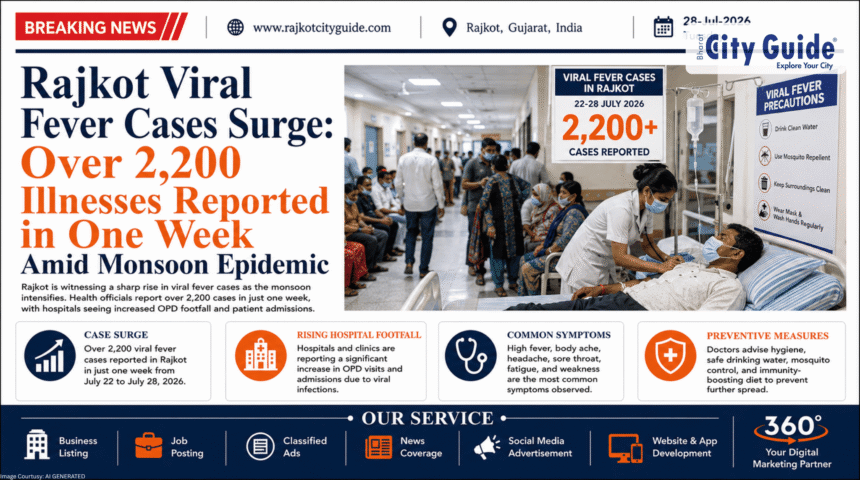
The arrival of the monsoon season brings a welcome relief from oppressive summer heat across the western state of Gujarat. However, the accompanying heavy downpours, waterlogging, and elevated humidity levels frequently trigger public health challenges. In the commercial and administrative hub of Saurashtra, a sharp increase in seasonal infections has caught the attention of public health officials. The Rajkot Municipal Corporation (RMC) health department recently documented a significant statistical spike, registering an alarming 2,215 individual cases of acute viral fever, common cold, and gastroenteritis (vomiting and diarrhea) within a single seven-day tracking period.
- Introduction
- What are Rajkot Viral Fever Cases?
- Why This News is Important
- Background Information
- Key Highlights
- Detailed Explanation of the Event
- Preventive Features and Health Importance
- How It Impacts People
- Expert Insights and Medical Guidelines
- Challenges and Infrastructure Limitations
- Future Outlook
- Frequently Asked Questions (FAQs)
- Conclusion
This abrupt surge has placed immense strain on local public health clinics, government hospitals, and private medical practitioners across the city. The rapid transmission of these seasonal pathogens underscores the vulnerability of urban centers to environmental shifts during the rainy months. In response, local administrative bodies have launched large-scale disease control programs, deploying anti-larval treatments, fogging machines, and house-to-house inspections.
Understanding the dynamics behind the current spike in Rajkot viral fever cases is vital for everyone living in the region. This comprehensive blog article analyzes the current epidemiological outbreak, explores why the local administration is operating on high alert, highlights the key risk areas within the city, and provides expert-backed strategies to help families protect themselves during this monsoon season.
What are Rajkot Viral Fever Cases?
When public health agencies track Rajkot viral fever cases, they are monitoring a broad category of seasonal, infectious illnesses caused by pathogenic viruses that spread rapidly during the monsoon. Unlike bacterial infections, viral fevers do not respond to traditional antibiotics. They must be managed through symptomatic care, hydration, rest, and targeted medical supervision.
During the monsoon, these cases generally fall into three distinct categories based on how they spread:
- Airborne and Respiratory Viruses: Pathogens that cause the common cold, influenza, and acute viral fever. These spread through respiratory droplets when an infected person coughs, sneezes, or talks in crowded public markets, schools, or offices.
- Vector-Borne Diseases: Mosquito-borne illnesses like Dengue, Chikungunya, and Malaria. Stagnant rainwater in discarded tires, open plastic containers, and poorly managed construction sites creates ideal breeding grounds for Aedes aegypti and Anopheles mosquitoes.
- Waterborne and Foodborne Pathogens: Viruses and bacteria that cause gastroenteritis, acute diarrhea, and dysentery. These frequently spike when heavy rains compromise municipal water lines or when local street food stalls operate under compromised sanitary conditions.
The current public health data indicates that all three pathways are active simultaneously, creating a mixed seasonal outbreak that requires a coordinated, multi-front response from the community and local authorities.
Why This News is Important
The rapid surge in seasonal illnesses carries significant implications for public health management and community awareness:
- Straining Healthcare Resources: A sudden influx of over 2,200 cases in seven days fills the outpatient departments (OPDs) of civil hospitals and neighborhood health centers, reducing the time doctors can dedicate to critical, non-seasonal medical emergencies.
- Testing Urban Sanitation Infrastructure: The outbreak acts as an annual audit of the city’s drainage and waste management networks. Areas with recurring waterlogging show a direct correlation with higher infection rates.
- Economic Impact: Widespread illness leads to high absenteeism among industrial workers, corporate employees, and school children, resulting in lost productivity and disrupted academic schedules across the district.
Background Information
Rajkot features a dense urban layout with expanding suburban residential pockets. Historically, the transition from dry summer conditions to high monsoon humidity creates an ideal environment for seasonal viruses to thrive. In previous years, the region has faced intense battles against dengue and malaria outbreaks during August and September.
Recognizing these seasonal patterns, the Rajkot Municipal Corporation maintains a dedicated health and vector-control wing. However, prolonged rainy spells can overwhelm standard preventive measures. When downpours happen daily, larvicidal sprays applied to standing water quickly wash away, allowing mosquito larvae to mature unhindered. This environmental challenge explains why health departments must pivot to aggressive space-spraying and thermal fogging directly inside residential neighborhoods once the monsoon sets in.
Key Highlights
- Case Volume: A total of 2,215 cases of fever, cold, and gastrointestinal issues recorded within a single week.
- Primary Symptoms: High-grade viral fever, persistent body aches, runny nose, acute coughing, diarrhea, and vomiting.
- Administrative Action: The RMC Health Department has accelerated urban fogging operations across high-risk zones.
- Field Inspections: Multi-member health teams are conducting door-to-door visual checks to detect and eliminate domestic mosquito breeding spots.
- Public Advisories: Authorities have issued clear directives regarding drinking water safety and the removal of standing water around homes.
Detailed Explanation of the Event
The Data Breakdown
The latest weekly health report released by municipal authorities presents a sobering look at the city’s current health landscape. Out of the 2,215 total cases reported over seven days, a substantial percentage involves children, elderly residents, and individuals with pre-existing health conditions. Doctors note that many patients show overlapping symptoms—starting with a standard sore throat and high fever before developing acute gastrointestinal distress within 48 hours.
Weekly Case Distribution (Estimated Breakdown)
--------------------------------------------------
Illness Category            Reported Weekly Cases
--------------------------------------------------
Viral Fever & Influenza     1,150
Common Cold & Cough           680
Gastroenteritis (Diarrhea)    385
--------------------------------------------------
Total Weekly Caseload       2,215
The RMC Mobilization Drive
Faced with these rising numbers, the RMC health department launched a comprehensive counter-offensive. Teams equipped with vehicle-mounted thermal fogging machines are working through residential sectors during the early morning and late evening hours—the peak activity times for vector mosquitoes.
Simultaneously, health workers are conducting targeted door-to-door checks. They inspect domestic water storage barrels, overhead tanks, flower pots, and air cooler trays. If a property owner is found keeping open, stagnant water containers containing visible mosquito larvae, the RMC teams issue on-the-spot warnings or fines to enforce compliance with public health regulations.
Sourcing the Contamination
Epidemiologists working in the field point out that localized water pipe leaks, combined with monsoon groundwater infiltration, have caused minor contamination issues in select older areas of the city. This explains the concurrent spike in diarrhea and vomiting cases alongside standard respiratory viral fevers. The engineering and health wings of the municipality are collaborating to identify these contaminated points, distribute chlorine tablets to affected households, and flush out older water distribution networks.
Preventive Features and Health Importance
Controlling an urban health crisis requires a combination of institutional action and personal responsibility. Key preventive steps include:
1. Advanced Thermal Fogging Operations
Thermal fogging uses specialized chemical formulations mixed with diesel or water carriers, atomized into a fine mist. This mist penetrates dense foliage, dark residential alleys, and open balconies, successfully knocking down adult mosquito populations before they can transmit viruses like dengue or chikungunya.
2. Guarding the Household “Cold Chain” for Food and Water
During the humid monsoon months, bacterial and viral contamination on raw food items accelerates dramatically. Families should prioritize boiled drinking water, avoid unpasteurized dairy, and refrain from eating raw salads or pre-cut fruits from open-air markets.
How It Impacts People
Impact on Students and Schools
With the school term in full swing, classrooms become primary hubs for viral transmission. A single student returning to school before fully recovering can quickly spread a respiratory virus to classmates. School administrations across Rajkot are being advised to screen students at entry points and grant medical leave freely to check the chain of infection.
Impact on Working Professionals and Businesses
Small business owners, textile workers, and corporate professionals face distinct challenges during these outbreaks. A sudden bout of viral fever typically requires 3 to 5 days of absolute bed rest, causing unexpected project delays and staffing shortages for local enterprises.
Expert Insights and Medical Guidelines
Leading physicians in Gujarat emphasize the dangers of self-medication during seasonal outbreaks. When facing high fever, many individuals turn to over-the-counter antibiotics or heavy doses of pain relievers without professional guidance.
Medical professionals point out that taking random antibiotics for a viral infection is entirely ineffective and can contribute to broader antimicrobial resistance. Furthermore, taking certain non-steroidal anti-inflammatory drugs (NSAIDs) during an undiagnosed dengue infection can dangerously lower platelet counts, potentially causing internal bleeding. The consensus advice is clear: stick to paracetamol for fever management, focus on continuous oral rehydration therapies (ORT), and seek a professional medical consultation if a fever persists beyond 72 hours.
Challenges and Infrastructure Limitations
The chief challenge in managing the surge in Rajkot viral fever cases lies in human behavior and urban habits. Despite widespread public awareness campaigns, many residents continue to overlook stagnant water in their immediate surroundings.
Additionally, the dense layout of certain historic neighborhoods makes it difficult for large, vehicle-mounted fogging units to navigate narrow streets effectively. This requires health workers to carry smaller, hand-held fogging devices door-to-door, an approach that demands significantly more time, physical labor, and logistical coordination.
Future Outlook
As the monsoon season continues over the coming weeks, public health departments expect case numbers to remain elevated before gradually declining as drier autumn weather arrives. The RMC plans to maintain its intensive vector control operations, with a particular focus on monitoring low-lying urban areas prone to recurrent waterlogging.
Over the long term, these recurring seasonal spikes highlight the need for permanent structural improvements, including modernized storm-water drainage systems and automated water-quality monitoring networks across the city. Regular updates from the municipal health department will help keep residents informed about local disease trends and safe zones.
Frequently Asked Questions (FAQs)
What is causing the sudden rise in Rajkot viral fever cases?
The primary causes are monsoon-related environmental changes, including increased humidity, waterlogging that creates mosquito breeding grounds, and seasonal fluctuations that favor the transmission of respiratory and gastrointestinal viruses.
How many viral illness cases were reported in Rajkot recently?
Local health authorities documented a total of 2,215 cases of viral fever, common cold, and gastroenteritis within a single one-week tracking period.
What steps is the Rajkot Municipal Corporation (RMC) taking to control the outbreak?
The RMC has accelerated urban thermal fogging operations, deployed teams for door-to-door larval inspections, distributed chlorine tablets, and initiated public health awareness campaigns.
Can antibiotics cure the current viral fever going around Rajkot?
No, antibiotics are designed to treat bacterial infections and are ineffective against viral fevers. Using them without a doctor’s prescription can lead to adverse side effects and antibiotic resistance.
What are the main symptoms of the current monsoon viral illness?
Patients frequently report high fever, severe body aches, joint pain, exhaustion, running nose, persistent cough, and in some instances, vomiting and diarrhea.
How can I protect my family from vector-borne diseases like dengue during this surge?
Ensure there is no standing water in or around your home, keep water storage containers tightly covered, use mosquito nets or repellents, and wear long-sleeved clothing during peak mosquito hours.
Conclusion
The sudden and significant spike in Rajkot viral fever cases serves as an important reminder of the public health challenges that regularly accompany the monsoon season. Managing an outbreak of over 2,200 cases in a single week requires active, ongoing cooperation between municipal health authorities and local residents. While the Rajkot Municipal Corporation continues to scale up its vector-control measures, drainage clearance, and neighborhood fogging operations, individuals must prioritize personal hygiene, eliminate standing water around their homes, and avoid self-medication. By staying informed and taking consistent, practical precautions, the community can successfully reduce transmission rates and ensure a safer, healthier monsoon season for the entire city.