Introduction
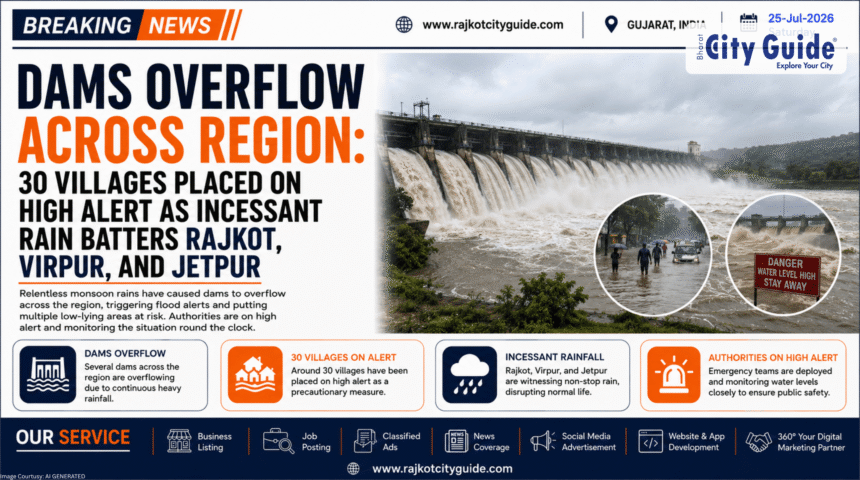
The southwest monsoon has intensified dramatically over the Saurashtra peninsula of Gujarat, pushing major water reservoirs past their maximum holding capacities and triggering a widespread high-alert status for rural and urban populations. As torrential downpours pound local districts, dams overflow across region, altering the geographical landscape and keeping emergency management services on high alert. The rapid accumulation of surface runoff has forced local authorities to issue critical safety warnings for at least 30 low-lying villages downstream of major reservoirs, highlighting the dual nature of monsoon systems as both life-giving resources and immediate hazards.
- Introduction
- What is the Dams Overflow Across Region Phenomenon?
- Why This News is Important
- Background Information
- Key Highlights
- Detailed Explanation of the Event
- Benefits and Importance of Reservoir Recharging
- How It Impacts People
- Expert Insights on Monsoon Flood Management
- Challenges and Limitations in Disaster Mitigation
- Future Outlook
- Frequently Asked Questions (FAQs)
- Conclusion
Over a brief 12-hour window, towns like Virpur and Jamkandorna recorded up to 8 inches of rainfall, while Jetpur and Gondal registered more than 5 inches of intense precipitation. Rajkot city itself faced major waterlogging as it logged 3.5 inches of rain by early evening. This sudden deluge caused the water levels at the vital Aji-2, Bhadar-2, and Survo dams to swell past their spillway limits, prompting irrigation engineers to open floodgates to relieve hydrostatic pressure. With rural pathways submerged, low-lying bridges overflowing, and urban transport lanes backed up, public life has hit a serious speed bump. This extensive analysis details the unfolding weather patterns, the infrastructure response, downstream community impacts, and actionable safety guidelines for managing this monsoon situation.
What is the Dams Overflow Across Region Phenomenon?
The phrase dams overflow across region refers to a critical hydrological event where multiple large-scale reservoirs and check dams reach 100% storage capacity simultaneously due to intense, concentrated cloudbursts or continuous heavy rain. When a reservoir fills completely, any extra water flowing in must be carefully discharged through dedicated spillway gates or allowed to pass over uncontrolled crests to prevent structural damage to the dam wall.
In the context of the Saurashtra region, this phenomenon represents a rapid shift from standard seasonal water accumulation to active flood management. Reservoirs like Bhadar-2 and Aji-2 are built to capture water from large catchment networks. When these catchments receive immense rain over just a few hours, millions of cusecs of water rush into the reservoirs, triggering massive overflows that directly impact rivers like the Bhadar and Aji downstream.
Why This News is Important
The widespread filling and overflowing of these primary regional dams carry massive implications for regional security, agriculture, and civic management:
- Downstream Safety Risks: The primary concern is protecting human life and livestock in the 30 flagged villages, where sudden river swells can flood homes and wash away property.
- Long-Term Water Security: On a positive note, completely filled reservoirs guarantee ample drinking and irrigation water for Rajkot and surrounding districts for the upcoming dry months.
- Agricultural Disruption: While the water security is welcome, the sudden pooling of water in fields can submerge standing crops, risking seasonal losses for local farmers.
- Civic Infrastructure Strain: Heavy overflows put pressure on rural causeways, bridges, and electricity grids, testing the coordination of local emergency response teams.
Background Information
Saurashtra has historically faced volatile weather patterns, moving between periods of drought and intense monsoon cloudbursts. The geography of Rajkot district features rocky terrain and clay-heavy soil that quickly becomes saturated during heavy rain. This prevents rainwater from soaking into the ground, leading to fast surface runoff that rapidly flows into local river systems.
The Aji and Bhadar river basins serve as the primary hydrologic network for Rajkot, Gondal, and Jetpur. The Bhadar-2 dam is a critical water source for both irrigation and industrial use in the Jetpur textile cluster, while the Aji dam network supplies drinking water to Rajkot’s growing urban population. When these systems overflow early or intensely during the monsoon, it indicates an unusually active weather pattern that requires close oversight by the state irrigation department.
Key Highlights
- Massive Village Alerts: 30 villages downstream of Aji-2, Bhadar-2, and Survo dams are under high alert due to surging river levels.
- Extreme Local Downpours: Virpur and Jamkandorna recorded a massive 8 inches of rain within a short time window.
- Urban Inundation: Rajkot city logged 3.5 inches of rain by 6 PM, causing widespread waterlogging across low-lying urban areas.
- Widespread Regional Deluge: Jetpur and Gondal recorded over 5 inches of continuous rainfall, filling local channels.
- Floodgates Opened: Multiple gates at Aji-2 and Bhadar-2 have been raised by irrigation officials to safely manage incoming floodwaters.
- Disaster Response Activation: Local administrative teams, revenue officers, and emergency services are stationed near riverbanks to manage potential evacuations.
Detailed Explanation of the Event
The Rainfall Breakdown Across Talukas
The latest monsoon system brought high-intensity rainfall concentrated over specific talukas in Rajkot district. The twin towns of Virpur and Jamkandorna bore the brunt of the storm, tracking 8 inches of rain that turned local streets into fast-flowing streams. Close behind, the industrial zone of Jetpur and the historic town of Gondal recorded over 5 inches of rain.
This heavy volume of water quickly filled local ponds and check dams, sending the extra runoff downstream into primary reservoirs. In Rajkot city, the 3.5 inches of rain caused significant pooling on roads, underpasses, and key intersections, slowing evening commutes to a crawl.
The Reservoir Response and Village Alerts
As water levels quickly climbed toward maximum capacity, the irrigation department began tracking inflows in real time. As dams overflow across region, managing discharges became crucial to avoid flash flooding downstream. At the Bhadar-2 dam, several gates were lifted to release thousands of cusecs of water into the Bhadar riverbed.
This controlled release led authorities to issue alerts for villages across Jetpur, Dhoraji, and Upleta talukas. Residents in these areas have been strictly advised to stay away from riverbanks, avoid crossing low causeways, and keep livestock tied up on higher ground. Local talatis (village officials) are monitoring water lines hourly to coordinate swift evacuations if river levels rise too far.
Benefits and Importance of Reservoir Recharging
While the immediate focus remains on flood safety, the fact that these dams are completely full brings long-term stability to the region:
- Dependable Drinking Water: Full capacities at the Aji and Survo reservoirs secure a steady drinking water supply for Rajkot city and nearby towns, reducing the need for expensive water tankers next summer.
- Boost for Winter Farming: Abundant water storage ensures ample supplies for the upcoming Rabi (winter) crop season, allowing farmers to plan for high-yield crops like wheat, cumin, and mustard.
- Groundwater Recharge: The sustained pressure of full reservoirs helps raise groundwater tables across the district, benefiting open wells and borewells in rural areas.
How It Impacts People
1. Rural Communities and Farmers
For residents in the 30 alerted villages, the sudden rise in river levels brings disruption and anxiety. Farmers with fields near the riverbanks face the risk of soil erosion and crop damage from standing water, which can wash away early seasonal fertilizers and seedlings.
2. Urban Commuters and City Dwellers
In Rajkot city, the 3.5-inch downpour exposed weak spots in urban stormwater drainage. Waterlogged underpasses and flooded residential basements in low-lying areas disrupted evening travel, creating long traffic delays on major city roads.
3. Local Industrial Hubs
The textile printing and dyeing clusters in Jetpur rely heavily on steady water supplies but are vulnerable to nearby flooding. Submerged roads around industrial estates can delay raw material drop-offs and finished good shipments, slowing down local commerce.
Expert Insights on Monsoon Flood Management
Hydrologists and disaster management experts note that modern monsoon patterns are bringing more intense rainfall within shorter windows. Experienced engineers emphasize that managing overflowing dams requires a careful balance between holding back water for future use and releasing it early enough to prevent flash floods downstream. Experts advocate for expanding automated weather stations and radar-based inflow forecasting tools across Saurashtra. These tools give dam operators advance notice to safely manage water levels before reservoirs hit full capacity.
Challenges and Limitations in Disaster Mitigation
Local administrative teams face several hurdles during these sudden rain events:
- Unpredictable Rainfall Spikes: Sudden, heavy cloudbursts leave very little lead time to warn downstream communities before floodgates must be opened.
- Risky Public Behavior: Despite clear warnings, some motorists still attempt to cross submerged rural causeways, requiring high-risk rescue operations by emergency teams.
- Urban Drainage Limits: Rapidly growing cities often have older drainage networks that simply cannot process multiple inches of rain falling within just a few hours.
Future Outlook
The Indian Meteorological Department (IMD) forecasts continued monsoon activity across Saurashtra over the coming days, meaning river inflows will likely stay high. Regional irrigation departments will keep floodgates partially open at Aji-2 and Bhadar-2 to maintain safe water levels. Local administrations plan to keep emergency response teams stationed in high-alert zones until the storm system moves out. Long-term post-monsoon efforts will focus on repairing damaged rural roads, reinforcing weakened riverbanks, and upgrading urban stormwater lines to better handle future downpours.
Frequently Asked Questions (FAQs)
Q1: Why have 30 villages been placed on high alert in Rajkot district?
A: The alert was issued because the Aji-2, Bhadar-2, and Survo dams have reached full capacity, requiring controlled water releases that cause downstream riverbeds to swell rapidly.
Q2: How much rain did Virpur and Jamkandorna receive during this storm?
A: Both Virpur and Jamkandorna recorded a very heavy 8 inches of rain within a 12-hour period, driving massive runoff into regional river networks.
Q3: What exactly happens when dams overflow across region?
A: When multiple dams hit 100% capacity, extra water flows over spillways or is released through floodgates into downstream rivers, increasing the risk of localized flooding in low-lying areas.
Q4: Is it safe to travel between Rajkot, Gondal, and Jetpur right now?
A: While main national highways generally stay open, many connecting rural roads and low bridges are underwater. It is best to stick to major highways and check local travel advisories before heading out.
Q5: How does this heavy rainfall benefit the region over the longer term?
A: Completely filled reservoirs secure the region’s drinking water supply for the coming year and provide dependable irrigation water for winter farming.
Q6: What steps should residents in alerted villages take?
A: Out of caution, residents should stay away from riverbanks, avoid crossing flooded bridges, move valuable items to higher ground, and follow instructions from local safety teams.
Q7: How did the rainfall affect city life in Rajkot?
A: Rajkot city received 3.5 inches of rain by 6 PM, leading to waterlogged roads and low-lying areas that caused significant evening traffic delays.
Conclusion
The recent heavy downpours across Rajkot district serve as a strong reminder of the power of the monsoon season. As dams overflow across region, the rapid rise of the Aji-2, Bhadar-2, and Survo reservoirs has brought both welcome water security and immediate safety challenges for 30 downstream villages.
While the abundant water storage sets up the agricultural sector for a strong winter season, the immediate priority remains protecting public safety. Thanks to proactive monitoring by irrigation teams and quick alerts from local authorities, the risks are being managed carefully. Residents and travelers throughout Saurashtra are urged to keep safety in mind, stay updated on local weather alerts, and avoid waterlogged areas until river levels settle back down.