Introduction
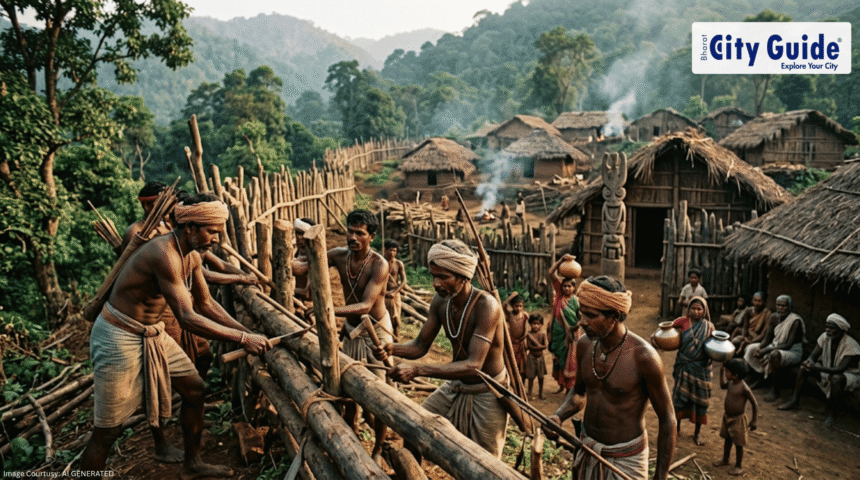
India’s historical narrative is often dominated by large empires and royal dynasties, but a deeper exploration reveals the vital role played by indigenous communities and regional powers. The story of tribal kingdoms in India is one of resilience, cultural richness, and significant contributions that shaped the subcontinent long before colonial rule.
- Introduction
- What Are Tribal Kingdoms in India?
- Historical Context of Tribal Kingdoms
- Major Tribal Kingdoms in India
- Struggles Faced by Tribal Kingdoms
- 1. External Invasions
- 2. Political Marginalization
- 3. Resource Exploitation
- 4. Cultural Suppression
- Resistance and Warfare
- Contributions of Tribal Kingdoms in India
- 1. Environmental Conservation
- 2. Cultural Diversity
- 3. Governance Models
- 4. Military Resistance
- Role of Women in Tribal Kingdoms
- Tribal Economy and Trade
- Interaction with Major Empires
- Cultural Practices and Traditions
- 1. Oral Literature
- 2. Festivals and Rituals
- 3. Art Forms
- Influence on Modern India
- Challenges in Recognizing Tribal History
- 1. Lack of Documentation
- 2. Mainstream Narratives
- 3. Preservation Issues
- Efforts to Preserve Tribal Heritage
- Importance of Inclusive History
- FAQs
- Conclusion
These kingdoms, led by tribal communities, governed vast regions, preserved ecological balance, and resisted external domination. Their legacy is deeply embedded in India’s cultural fabric, yet it often remains underrepresented in mainstream historical discourse.
What Are Tribal Kingdoms in India?
Tribal kingdoms in India refer to political and social systems established by indigenous communities across different regions.
Key Characteristics:
- Community-based governance
- Strong connection with nature
- Distinct cultural practices
- Oral traditions and folklore
These kingdoms existed independently or alongside larger empires.
Historical Context of Tribal Kingdoms
Tribal societies have existed in India since ancient times.
Regions with Prominent Tribal Kingdoms:
- Central India (Gondwana region)
- Northeast India
- Eastern India
- Western Ghats
Major Tribal Kingdoms in India
1. Gond Kingdom
- Gondwana Kingdom
- Ruled by Gond tribes
- Known for administrative efficiency
2. Ahom Kingdom
- Ahom Kingdom
- Located in Assam
- Successfully resisted Mughal expansion
3. Khasi and Garo Kingdoms
- Tribal states in Northeast India
- Known for unique governance systems
4. Bhil and Santhal Regions
- Tribal communities with localized governance
- Strong resistance traditions
Struggles Faced by Tribal Kingdoms
1. External Invasions
Tribal kingdoms often faced attacks from larger empires.
2. Political Marginalization
Limited representation in historical records.
3. Resource Exploitation
Natural resources attracted external control.
4. Cultural Suppression
Efforts to assimilate tribal identities.
Resistance and Warfare
Tribal kingdoms were known for their resistance.
Notable Aspects:
- Guerrilla warfare tactics
- Knowledge of local terrain
- Strong community unity
Contributions of Tribal Kingdoms in India
1. Environmental Conservation
Tribal communities practiced sustainable living.
2. Cultural Diversity
They enriched India’s cultural landscape with:
- Folk traditions
- Music and dance
- Art and crafts
3. Governance Models
Community-based decision-making systems.
4. Military Resistance
Defended territories against invasions.
Role of Women in Tribal Kingdoms
Women often held important roles in:
- Governance
- Social systems
- Cultural preservation
Tribal Economy and Trade
Tribal economies were based on:
- Agriculture
- Forest resources
- Local trade networks
Interaction with Major Empires
Tribal kingdoms interacted with larger powers such as the Mughal Empire.
Nature of Interaction:
- Alliances
- Conflicts
- Trade relations
Cultural Practices and Traditions
1. Oral Literature
Stories passed through generations.
2. Festivals and Rituals
Celebrations connected to nature.
3. Art Forms
- Tribal paintings
- Handicrafts
Influence on Modern India
The legacy of tribal kingdoms in India continues today.
Impact Areas:
- Cultural identity
- Environmental awareness
- Social systems
Challenges in Recognizing Tribal History
1. Lack of Documentation
Oral traditions are often overlooked.
2. Mainstream Narratives
Focus on large empires.
3. Preservation Issues
Loss of cultural heritage.
Efforts to Preserve Tribal Heritage
Organizations like the Ministry of Tribal Affairs work to:
- Promote tribal culture
- Support communities
- Preserve traditions
Importance of Inclusive History
Recognizing tribal contributions helps:
- Build a balanced historical narrative
- Promote cultural diversity
- Respect indigenous knowledge
FAQs
What are tribal kingdoms?
Kingdoms ruled by indigenous communities.
Why are they important?
They contributed to culture and resistance.
Which is a famous tribal kingdom?
The Gondwana Kingdom.
Did tribal kingdoms fight larger empires?
Yes, they resisted invasions.
How can their history be preserved?
Through research and awareness.
Conclusion
The story of tribal kingdoms in India is an essential part of the nation’s pre-colonial history. Their struggles, resilience, and contributions highlight the diversity and richness of India’s past.
By acknowledging and preserving this heritage, we not only honor these communities but also gain a deeper understanding of India’s cultural and historical identity.