Introduction: More Science in the Kitchen Than We Realise
You’ve probably grown up hearing this line at least once a week:
“Ghar ka khana khao, bahar ka mat khao.”
- Introduction: More Science in the Kitchen Than We Realise
- A Familiar Indian Thali – Quietly Packed With Science
- What Modern Science (Up to 2026) Says About Traditional Indian Diets
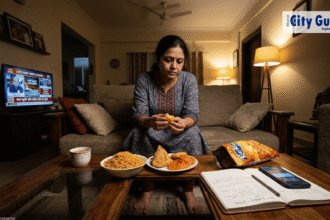
- Where Modern Indian Eating Went Wrong
- Common Mistakes With Traditional Indian Food
- How to Use Traditional Wisdom in Modern Life
- Simple Indian Meal Ideas (Modern-Friendly)
- What People Still Misunderstand
- One Small Change That Works
- Indian Kitchen Swap (Easy Win)
- Long-Term Health Impact
- Conclusion: Dadi Wasn’t Old-Fashioned—She Was Ahead
- FAQs
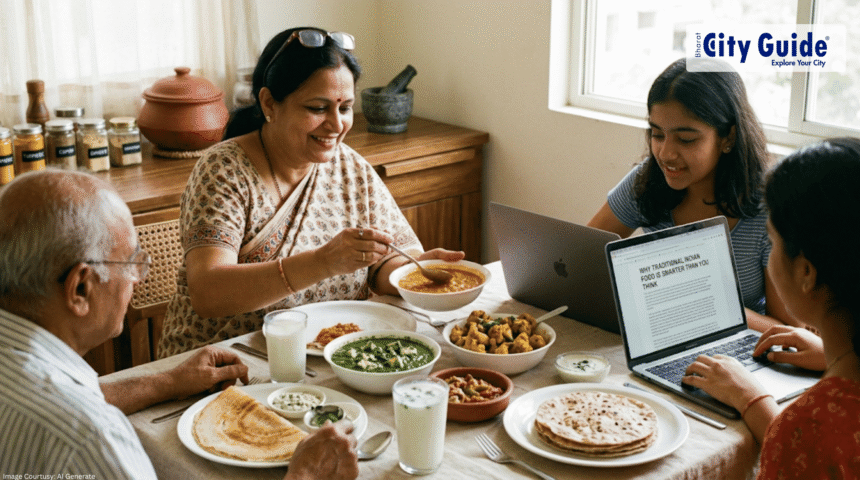
It sounded like advice driven by emotion, habit, or nostalgia. Today, scrolling through social media, you see smoothie bowls, protein bars, keto meals, and imported “superfoods” being marketed as the gold standard of health—while dal, roti, sabzi, and curd are dismissed as boring, heavy, or outdated.
But here’s the surprise: modern nutrition science is slowly catching up with what traditional Indian kitchens already knew.
Traditional Indian meals weren’t random. They were shaped by climate, agriculture, digestion, and seasonal needs—long before calorie trackers or nutrition labels existed. When you look closely, Dadi’s recipes were quietly doing some very advanced nutrition work.
This article breaks down why traditional Indian food is smarter than we think, how science supports it in 2026, where we’ve gone wrong, and how to bring its best ideas back into modern life—without going back in time.
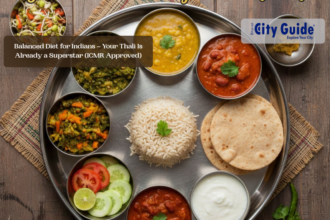
A Familiar Indian Thali – Quietly Packed With Science
Picture a typical Indian lunch plate:
- Roti or rice
- Dal or legumes
- Seasonal sabzi
- Curd or buttermilk
- A little salad
- A small piece of pickle or chutney
It looks simple. Almost too simple.
Yet research on traditional Indian dietary patterns shows that this structure naturally provides:
- Balanced carbohydrates, proteins, and fats
- High dietary fiber
- Better mineral absorption
- Gut-supporting bacteria
- Blood sugar stability
This wasn’t accidental. Across regions—Gujarati, South Indian, Bengali, Rajasthani, Maharashtrian—the structure stayed similar, even if ingredients changed.
That’s intelligent meal design.
What Modern Science (Up to 2026) Says About Traditional Indian Diets
1. Cereals + Pulses = Better Protein Quality
Indian meals often combine grains and legumes:
- Dal–chawal
- Rajma–chawal
- Roti–dal
- Khichdi
- Idli–sambar
From a nutrition science lens, this is powerful.
- Cereals are low in lysine (an essential amino acid)
- Pulses are low in methionine
- Together, they form a more complete amino acid profile
Multiple reviews on Indian dietary patterns confirm that cereal–pulse combinations can meet protein needs effectively, especially for vegetarians—without needing supplements or protein powders.
Khichdi, often considered “sick food,” is actually a low-fat, easily digestible, complete meal when cooked with vegetables and a little ghee.
2. Soaking, Sprouting, and Fermentation – Ancient Biohacks
Traditional Indian cooking relies heavily on:
- Soaking dals and grains
- Sprouting legumes
- Fermenting batters
Science now confirms these practices:
- Reduce anti-nutrients like phytates and tannins
- Improve absorption of iron, zinc, calcium, and magnesium
- Improve protein digestibility
Fermented foods like:
- Idli
- Dosa
- Dhokla
- Curd
- Kanji
also provide:
- Beneficial gut bacteria
- B-vitamins
- Vitamin K2
- Better gut barrier function
In 2026, gut health remains a cornerstone of metabolic, immune, and mental health—and traditional Indian foods already support it naturally.
3. Spices Are Functional, Not Just Flavour
Indian food doesn’t use spices randomly.
Common household spices like:
- Turmeric
- Jeera (cumin)
- Coriander
- Ajwain
- Ginger
- Garlic
- Fenugreek
have been shown to:
- Reduce inflammation
- Support digestion
- Improve insulin sensitivity
- Reduce bloating and gas
- Support liver health
Turmeric’s curcumin, gingerols in ginger, and polyphenols in cumin are now widely studied compounds in nutritional science.
Dadi didn’t say “anti-inflammatory”—she said, “haldi achhi hoti hai.”
She was right.
4. Sour Elements Improve Iron Absorption
Traditional meals often include:
- Lemon
- Tamarind
- Amla
- Kokum
- Vinegar-based pickles
These provide vitamin C, which significantly improves iron absorption from plant foods like:
- Dal
- Spinach
- Beans
- Millets
In a country where iron deficiency is common, this pairing is nutritionally brilliant.
5. Naturally Plant-Forward and Sustainable
Traditional Indian diets are:
- Rich in legumes, vegetables, greens, and grains
- Lower in heavy animal foods
- Based on local, seasonal produce
This aligns closely with modern planetary health diets, which aim to protect both human health and the environment.
Indian food was sustainable long before sustainability became a buzzword.
Where Modern Indian Eating Went Wrong
The issue isn’t traditional food—it’s what we removed and what we added.
What We Removed:
- Mixed grains and millets
- Seasonal greens
- Fermentation time
- Variety of dals
- Home cooking frequency
What We Added:
- Highly polished rice and wheat
- Refined flour snacks
- Ultra-processed foods
- Sugary drinks
- Bakery items
- Eating while sedentary and stressed
So now we eat “Indian food” in appearance—but not in spirit.
Common Mistakes With Traditional Indian Food
- Keeping only the heavy parts (fried snacks, sweets)
- Dropping protein-rich dals and curd
- Making meals carb-heavy with little sabzi
- Treating fermented foods as optional
- Using refined flours instead of mixed grains
Traditional food works when the whole system is intact.
How to Use Traditional Wisdom in Modern Life
You don’t need to churn butter by hand or grind grains daily. You just need to bring back the smart parts.
1. Follow the Thali Rule
Aim for:
- 1 grain (rice/roti/millet)
- 1 pulse (dal/chana/rajma)
- 1–2 sabzis
- Curd or chaas
- Salad + lemon
This alone balances macros and micronutrients.
2. Bring Back Simple Techniques
- Soak dals and grains
- Sprout once or twice a week
- Ferment batters properly
Low effort. High return.
3. Eat Fermented Foods Daily
- Curd with lunch
- Chaas in summer
- Idli/dosa/dhokla regularly
Your gut will notice.
4. Respect Spices and Sourness
Use spices daily. Add lemon or amla regularly. This isn’t decoration—it’s functional nutrition.
Simple Indian Meal Ideas (Modern-Friendly)
Breakfast:
- Idli + sambar + chutney
- Poha with peanuts + curd
- Moong dal chilla
Lunch:
- Dal–rice + sabzi + chaas
- Mixed flour roti + sabzi + curd
Dinner:
- Vegetable pulao + raita
- Roti + thick dal + lemon
Nothing fancy. Everything effective.
What People Still Misunderstand
“Traditional food is heavy.”
No—it becomes heavy when:
- Portions are large
- Vegetables are missing
- Oil and sugar are excessive
Balanced traditional food matches many modern “ideal diet” frameworks.
One Small Change That Works
For the next 7 days:
👉 Make sure one meal daily includes grain + dal + sabzi + curd.
No restriction. Just structure.
Indian Kitchen Swap (Easy Win)
Swap: Bread–butter–jam
With: Idli/dosa or poha + curd (2–3 times/week)
Your digestion, energy, and blood sugar will thank you.
Long-Term Health Impact
Reconnecting with traditional Indian eating can:
- Improve gut health
- Stabilise blood sugar
- Support heart health
- Improve immunity
- Reduce diet stress
- Create a healthier relationship with food
This isn’t nostalgia. It’s evidence-based wisdom.
Conclusion: Dadi Wasn’t Old-Fashioned—She Was Ahead
Traditional Indian food isn’t perfect, but it’s remarkably intelligent.
It balances nutrients, supports digestion, respects seasons, and nourishes both body and culture. You don’t need to copy it blindly—but if you borrow its core ideas, you’ll eat better than most trending diets of 2026.
Instead of asking, “Is Indian food healthy?”
Ask, “How can I eat Indian food the way it was meant to be eaten?”
FAQs
1. Is traditional Indian food good for weight loss?
Yes—when portions are balanced and meals include dal, sabzi, and curd, traditional Indian diets support sustainable weight management.
2. Can traditional Indian food meet protein needs?
Absolutely. Cereal–pulse combinations provide good-quality protein, especially for vegetarians.
3. Are fermented Indian foods good for gut health?
Yes. Foods like curd, idli, dosa, and dhokla support a healthy gut microbiome.
4. Is ghee unhealthy?
In moderation, ghee supports fat-soluble vitamin absorption. Excess is the issue—not ghee itself.
5. Can modern lifestyles still follow traditional eating?
Yes. You don’t need perfection—just consistent structure and smarter choices.