Introduction
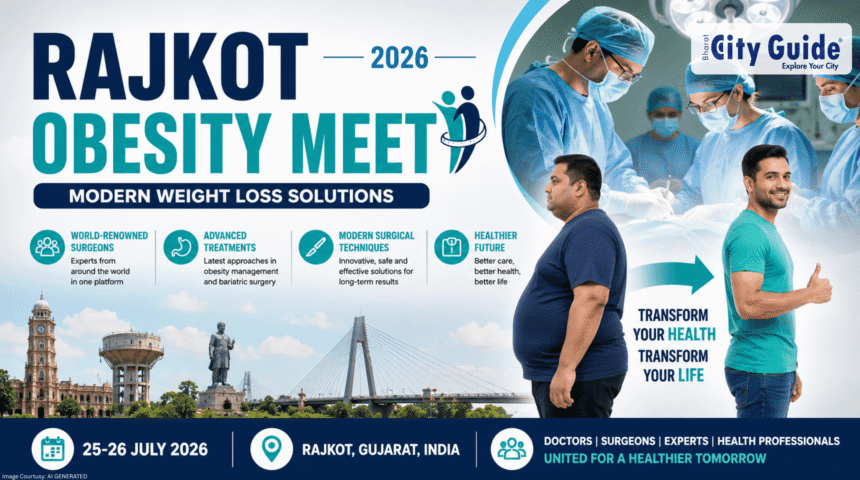
Obesity has become one of the biggest health challenges worldwide, affecting millions of people across all age groups. In India, rising sedentary lifestyles, unhealthy eating habits, and increasing stress levels have significantly contributed to growing obesity rates. In an important healthcare development, Rajkot is set to host its first-ever Rajkot Obesity Meet, where internationally recognized surgeons and obesity specialists will gather on a single platform to discuss advanced treatment methods and modern surgical approaches.
- Introduction
- What is Rajkot Obesity Meet?
- What is Obesity?
- Why Obesity is Rising in Modern Society
- Common Symptoms and Signs of Obesity
- Types of Obesity
- How Doctors Diagnose Obesity
- Why Obesity is Dangerous
- Modern Treatment Methods Discussed at Rajkot Obesity Meet
- What is Bariatric Surgery?
- Types of Weight Loss Surgery
- Non-Surgical Weight Management Strategies
- Diet and Lifestyle Recommendations for Weight Control
- Home Strategies for Healthy Weight Loss
- Prevention Tips to Avoid Obesity
- Future of Obesity Treatment in India
- Frequently Asked Questions (FAQs)
- Conclusion
The Rajkot Obesity Meet is a major step for healthcare awareness in Gujarat. This event aims to educate doctors, healthcare professionals, and the public about obesity management, modern weight-loss techniques, and life-changing surgical options. The conference will provide valuable insights into obesity prevention, diagnosis, treatment, and long-term management.
As obesity continues to increase, awareness and expert guidance become more essential than ever. This article explores everything about the Rajkot Obesity Meet, obesity as a medical condition, causes, symptoms, complications, treatment methods, and modern surgical innovations.
What is Rajkot Obesity Meet?
The Rajkot Obesity Meet is a specialized medical conference focused on obesity management and advanced treatment techniques. For the first time in Rajkot, leading bariatric surgeons and obesity experts from around the world are coming together to share knowledge and discuss modern treatment approaches.
The event focuses on:
- Advanced obesity treatment methods
- Bariatric surgery innovations
- Modern surgical technologies
- Lifestyle intervention strategies
- Long-term weight management
This platform allows medical experts to exchange practical knowledge while increasing public awareness about obesity as a serious medical condition rather than just a cosmetic concern.
What is Obesity?
Obesity is a chronic medical condition in which excessive body fat accumulates in the body, increasing the risk of serious health problems.
Doctors commonly measure obesity using Body Mass Index (BMI), which compares weight to height.
BMI Categories:
- Underweight: Below 18.5
- Normal weight: 18.5–24.9
- Overweight: 25–29.9
- Obesity: 30 or higher
Obesity affects multiple body systems, including:
- Heart
- Lungs
- Joints
- Hormonal system
- Digestive system
It is not simply about appearance. Obesity can significantly reduce quality of life and lifespan if left unmanaged.
Why Obesity is Rising in Modern Society
The experts at the Rajkot Obesity Meet emphasize that obesity is caused by multiple lifestyle and biological factors.
Major reasons include:
Unhealthy Diet
Frequent consumption of:
- Fast food
- Sugary drinks
- Processed snacks
- High-calorie meals
These foods increase calorie intake without proper nutrition.
Physical Inactivity
Modern lifestyles involve:
- Desk jobs
- Less walking
- Excess screen time
- Limited exercise
This reduces calorie burning.
Poor Sleep
Lack of sleep affects hormones controlling hunger and metabolism.
Stress and Mental Health
Stress can trigger emotional eating and overeating.
Genetics
Some people are genetically more prone to weight gain.
Hormonal Disorders
Medical conditions affecting metabolism can increase obesity risk.
Common Symptoms and Signs of Obesity
Obesity develops gradually, but several warning signs become noticeable over time.
Common symptoms include:
- Excess body fat around abdomen
- Shortness of breath
- Fatigue during daily activities
- Frequent sweating
- Joint pain
- Back pain
- Reduced mobility
- Snoring or sleep problems
Additional signs may include:
- Low stamina
- Poor posture
- Difficulty climbing stairs
- Reduced confidence
These symptoms often worsen as body weight increases.
Types of Obesity
Obesity is not the same for everyone. Medical experts classify it into different types.
General Obesity
Fat is distributed across the body.
Abdominal Obesity
Fat accumulates mainly around the stomach.
This is considered highly dangerous because abdominal fat increases metabolic risk.
Severe or Morbid Obesity
BMI becomes extremely high, significantly increasing disease risk.
Childhood Obesity
Obesity developing during childhood can lead to lifelong complications.
The Rajkot Obesity Meet also highlights the growing concern of childhood obesity in urban India.
How Doctors Diagnose Obesity
Diagnosis involves more than checking body weight.
Doctors use multiple assessments.
BMI Calculation
BMI provides an initial obesity assessment.
Formula:
Weight (kg) ÷ Height² (m)
Waist Circumference
This helps detect dangerous abdominal fat.
Risk increases with larger waist size.
Body Fat Analysis
Advanced machines estimate fat percentage.
Blood Tests
Doctors may test for:
- Blood sugar
- Cholesterol
- Thyroid function
- Liver health
Medical History
Doctors examine:
- Eating habits
- Physical activity
- Family history
- Existing illnesses
These tests help determine treatment strategies.
Why Obesity is Dangerous
Obesity affects nearly every organ in the body.
Major health risks include:
Type 2 Diabetes
Excess fat increases insulin resistance.
Heart Disease
Obesity raises risk of:
- High blood pressure
- Heart attack
- Stroke
Joint Damage
Extra body weight stresses knees and spine.
Sleep Apnea
Breathing repeatedly stops during sleep.
Fatty Liver Disease
Excess fat can accumulate in the liver.
Mental Health Issues
Obesity can contribute to:
- Anxiety
- Depression
- Low self-esteem
This is why obesity requires medical attention.
Modern Treatment Methods Discussed at Rajkot Obesity Meet
A major focus of the Rajkot Obesity Meet is advanced obesity treatment.
Modern approaches include medical, lifestyle, and surgical options.
Lifestyle Modification
This is the first line of treatment.
Includes:
- Calorie control
- Exercise
- Sleep improvement
- Stress management
Medical Weight Loss Programs
Supervised plans may involve:
- Nutrition counseling
- Exercise planning
- Behavioral therapy
Medicines
Certain medications may help appetite control or improve metabolism under medical supervision.
Bariatric Surgery
For severe obesity, surgery may be recommended.
This is one of the most important discussion topics at the Rajkot Obesity Meet.
What is Bariatric Surgery?
Bariatric surgery refers to surgical procedures that help people lose weight by changing the digestive system.
It works by:
- Reducing stomach size
- Limiting food intake
- Changing digestion
- Altering hunger hormones
Benefits include:
- Significant weight loss
- Better diabetes control
- Reduced blood pressure
- Improved mobility
It is usually recommended for severe obesity when other treatments fail.
Types of Weight Loss Surgery
Modern bariatric surgery includes several advanced techniques.
Sleeve Gastrectomy
A large part of the stomach is removed.
Benefits:
- Smaller stomach
- Less hunger
- Reduced calorie intake
Gastric Bypass
Food bypasses part of the stomach and intestine.
This reduces calorie absorption.
Mini Gastric Bypass
A simplified bypass procedure.
Revision Bariatric Surgery
Used when previous surgery needs correction.
Leading surgeons at the Rajkot Obesity Meet are expected to discuss these techniques.
Non-Surgical Weight Management Strategies
Not every patient needs surgery.
Effective non-surgical methods include:
Structured Diet Plans
Balanced nutrition helps gradual fat loss.
Regular Exercise
Recommended activities:
- Walking
- Cycling
- Swimming
- Strength training
Behavioral Therapy
Helps control emotional eating.
Medical Monitoring
Regular follow-up improves results.
These methods work best with consistency.
Diet and Lifestyle Recommendations for Weight Control
Long-term obesity control depends heavily on daily habits.
Recommended dietary changes:
- Eat more vegetables
- Increase protein intake
- Reduce sugary foods
- Limit refined carbs
- Drink enough water
Healthy lifestyle habits:
- Sleep 7–8 hours
- Walk daily
- Avoid late-night eating
- Reduce stress
- Stay active
Small changes produce major long-term benefits.
Home Strategies for Healthy Weight Loss
Safe home-based strategies can support professional treatment.
Useful tips:
- Portion control
- Meal planning
- Home-cooked food
- Daily step targets
- Food journaling
Avoid:
- Crash diets
- Extreme fasting
- Unverified supplements
Sustainable habits are more effective than quick fixes.
Prevention Tips to Avoid Obesity
Preventing obesity is easier than treating severe obesity.
Prevention tips:
- Maintain active lifestyle
- Avoid junk food excess
- Monitor body weight regularly
- Encourage children to play outdoors
- Limit sugary beverages
Parents play a critical role in preventing childhood obesity.
Early awareness reduces long-term risk.
Future of Obesity Treatment in India
India is rapidly adopting modern obesity management techniques.
Emerging trends include:
- Robotic bariatric surgery
- AI-based metabolic monitoring
- Personalized nutrition
- Advanced minimally invasive surgery
Events like the Rajkot Obesity Meet accelerate medical innovation and awareness.
They help connect global expertise with local healthcare systems.
Frequently Asked Questions (FAQs)
What is Rajkot Obesity Meet?
It is a medical conference in Rajkot where global obesity experts and surgeons discuss modern obesity treatment methods.
Why is obesity dangerous?
Obesity increases the risk of diabetes, heart disease, sleep apnea, and joint problems.
Can obesity be treated without surgery?
Yes. Diet changes, exercise, therapy, and medical supervision can help.
Who needs bariatric surgery?
People with severe obesity and obesity-related health complications may qualify.
Is bariatric surgery safe?
Modern bariatric surgery is generally safe when performed by experienced surgeons.
Can children become obese?
Yes. Poor diet and low activity levels are major causes of childhood obesity.
How can obesity be prevented?
Healthy eating, exercise, proper sleep, and regular weight monitoring help prevent obesity.
Conclusion
The first-ever Rajkot Obesity Meet marks a significant milestone in Gujarat’s healthcare landscape. By bringing world-renowned surgeons and obesity specialists together on one platform, the event highlights the urgent need to address obesity through awareness, prevention, and modern treatment solutions.
Obesity is far more than a weight issue—it is a chronic medical condition that can affect nearly every organ system. From diabetes and heart disease to joint damage and mental health challenges, the impact of obesity is extensive and often life-altering.
With advanced treatments such as lifestyle therapy, medical management, and bariatric surgery becoming increasingly accessible, there is hope for better outcomes. Events like the Rajkot Obesity Meet play a crucial role in educating both healthcare professionals and the public about effective obesity management.