Introduction
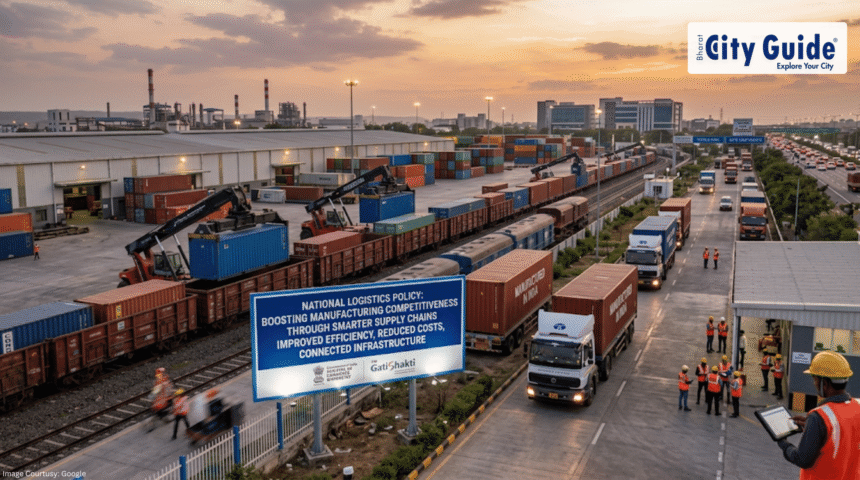
Efficient logistics is the backbone of a strong manufacturing economy. In India, high logistics costs and fragmented supply chains have long been challenges for businesses trying to compete globally. To address these issues, the government introduced a transformative framework known as the National Logistics Policy India, aimed at streamlining logistics operations and enhancing economic efficiency.
- Introduction
- What Is the National Logistics Policy?
- Why Logistics Matters for Manufacturing
- Current Challenges in India’s Logistics Sector
- 1. High Logistics Costs
- 2. Fragmented Infrastructure
- 3. Inefficient Processes
- 4. Limited Technology Adoption
- Key Features of National Logistics Policy India
- 1. Unified Logistics Interface Platform (ULIP)
- 2. Ease of Logistics Services (ELOG)
- 3. Data-Driven Decision Making
- 4. Standardization
- Impact on Manufacturing Competitiveness
- 1. Cost Reduction
- 2. Faster Delivery
- 3. Improved Export Performance
- 4. Enhanced Productivity
- Integration with Other Government Initiatives
- Role of Technology in Logistics Transformation
- 1. Digital Platforms
- 2. Automation
- 3. Artificial Intelligence
- Infrastructure Development
- 1. Multi-Modal Transport
- 2. Logistics Parks
- 3. Connectivity Improvements
- Benefits for Small and Medium Enterprises (SMEs)
- Environmental Impact
- 1. Reduced Carbon Emissions
- 2. Sustainable Practices
- Challenges in Implementation
- 1. Coordination Across Agencies
- 2. Infrastructure Gaps
- 3. Skill Development
- Strategies for Effective Implementation
- 1. Public-Private Partnerships
- 2. Capacity Building
- 3. Continuous Monitoring
- Future Outlook
- Long-Term Implications
- 1. Economic Growth
- 2. Job Creation
- 3. Global Competitiveness
- FAQs
- Conclusion
This policy is a major step toward reducing costs, improving infrastructure, and making Indian manufacturing more competitive on the global stage. By integrating technology, infrastructure, and governance, India is building a logistics ecosystem that supports long-term industrial growth.
What Is the National Logistics Policy?
The National Logistics Policy is a comprehensive framework launched to improve the efficiency of logistics services in India.
Key Objectives:
- Reduce logistics costs
- Improve supply chain efficiency
- Enhance global competitiveness
- Promote ease of doing business
Why Logistics Matters for Manufacturing
Logistics plays a crucial role in:
- Transportation of raw materials
- Distribution of finished goods
- Inventory management
- Export competitiveness
High logistics costs can reduce profit margins and limit growth.
Current Challenges in India’s Logistics Sector
1. High Logistics Costs
India’s logistics costs are higher compared to global standards.
2. Fragmented Infrastructure
Lack of integration between different transport modes.
3. Inefficient Processes
Delays in documentation and approvals.
4. Limited Technology Adoption
Traditional systems reduce efficiency.
Key Features of National Logistics Policy India
1. Unified Logistics Interface Platform (ULIP)
Digital integration of logistics services.
2. Ease of Logistics Services (ELOG)
Simplifies processes and reduces delays.
3. Data-Driven Decision Making
Use of analytics to improve efficiency.
4. Standardization
Uniform practices across the sector.
Impact on Manufacturing Competitiveness
The National Logistics Policy India directly benefits manufacturing.
1. Cost Reduction
Lower transportation and storage costs.
2. Faster Delivery
Improved supply chain speed.
3. Improved Export Performance
Better global market access.
4. Enhanced Productivity
Efficient logistics improves output.
Integration with Other Government Initiatives
The policy aligns with programs like:
- Make in India
- Gati Shakti
These initiatives collectively boost industrial growth.
Role of Technology in Logistics Transformation
1. Digital Platforms
Real-time tracking and monitoring.
2. Automation
Improves efficiency and reduces errors.
3. Artificial Intelligence
Optimizes routes and inventory.
Infrastructure Development
1. Multi-Modal Transport
Integration of road, rail, air, and waterways.
2. Logistics Parks
Dedicated hubs for storage and distribution.
3. Connectivity Improvements
Better access to ports and industrial zones.
Benefits for Small and Medium Enterprises (SMEs)
The policy supports SMEs by:
- Reducing operational costs
- Improving market access
- Enhancing competitiveness
Environmental Impact
1. Reduced Carbon Emissions
Efficient logistics lowers fuel consumption.
2. Sustainable Practices
Encouragement of eco-friendly transport.
Challenges in Implementation
1. Coordination Across Agencies
Multiple stakeholders involved.
2. Infrastructure Gaps
Need for continuous investment.
3. Skill Development
Workforce needs training in new technologies.
Strategies for Effective Implementation
1. Public-Private Partnerships
Collaboration between government and industry.
2. Capacity Building
Training programs for logistics professionals.
3. Continuous Monitoring
Tracking progress and addressing issues.
Future Outlook
The National Logistics Policy India is expected to:
- Reduce logistics costs significantly
- Improve global rankings
- Strengthen manufacturing sector
Long-Term Implications
1. Economic Growth
Boost to GDP through efficient supply chains.
2. Job Creation
New opportunities in logistics and manufacturing.
3. Global Competitiveness
India becomes a preferred manufacturing hub.
FAQs
What is the National Logistics Policy?
A framework to improve logistics efficiency in India.
How does it help manufacturing?
By reducing costs and improving supply chains.
What is ULIP?
A digital platform for logistics integration.
Who benefits from the policy?
Manufacturers, SMEs, and consumers.
What are the challenges?
Infrastructure gaps and coordination issues.
Conclusion
The National Logistics Policy India represents a transformative step toward building a more efficient and competitive manufacturing ecosystem. By addressing long-standing challenges and leveraging technology, the policy is paving the way for faster, cheaper, and more reliable logistics.
As implementation progresses, its success will depend on collaboration, innovation, and sustained investment. If executed effectively, it has the potential to position India as a global manufacturing powerhouse.