Introduction
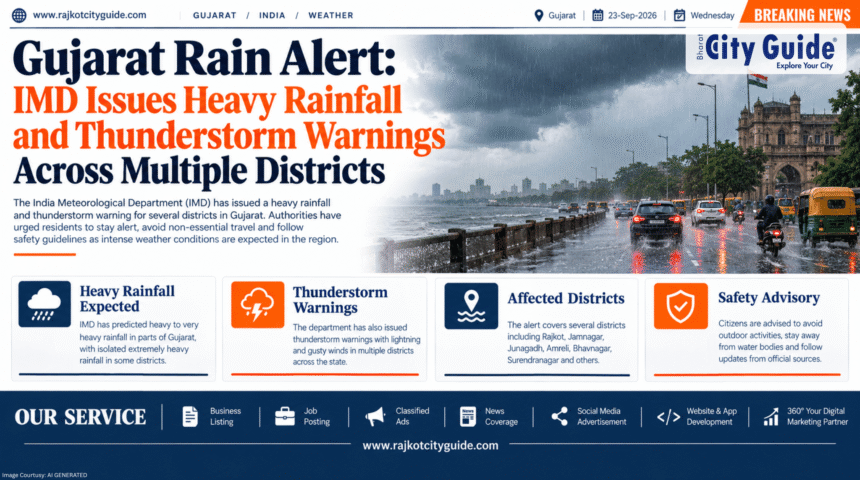
Monsoon dynamics across western India continue to demonstrate intense variability, with sudden atmospheric shifts bringing concentrated rainfall spells to the subcontinental coastline. Following a brief lull in monsoon intensity across central and western parts of Gujarat, atmospheric conditions have reactivated, prompting state disaster management authorities and the India Meteorological Department (IMD) to sound a fresh Gujarat Rain Alert.
- Introduction
- What is Gujarat Rain Alert?
- Why This News is Important
- Background Information
- Key Highlights
- Detailed Explanation of the Event
- Benefits and Importance of Weather Advisories
- How It Impacts People
- Expert Insights and Industry Perspective
- Challenges and Limitations
- Future Outlook
- Frequently Asked Questions (FAQs)
- Conclusion
The meteorological centre in Ahmedabad has issued a comprehensive forecast warning of heavy rainfall accompanied by lightning strikes, localized thunderstorms, and strong surface winds across several districts, particularly in South Gujarat and adjoining coastal sectors. Low-pressure formations, combined with active trough lines across the Arabian Sea and Bay of Bengal, have drawn moisture-laden winds directly over the state. Regions including Surat, Navsari, Valsad, Tapi, Dang, and parts of the South Gujarat mainland are placed under yellow and orange alerts, preparing municipal bodies and district administrations for waterlogging, traffic delays, and agricultural impacts.
This update is critical for commuters, agricultural communities, fishermen, and local emergency administration setups. With standing Kharif crops reaching sensitive stages and urban centers vulnerable to flash flooding, understanding district-wise rainfall alerts and meteorological warnings is essential for safety, operational planning, and disaster readiness.
What is Gujarat Rain Alert?
A Gujarat Rain Alert is an official weather advisory issued by the India Meteorological Department (IMD) and state disaster control rooms to notify the public, municipal authorities, and emergency response units about impending severe weather conditions. These alerts categorize rainfall intensity, wind speeds, and atmospheric electrical activity (lightning and thunderstorms) to reduce risks to life and infrastructure.
+--------------------------------------------------------------------------+
|                  IMD WEATHER ALERT CLASSIFICATION MATRIX                 |
+--------------------------------------------------------------------------+
                                     |
    +--------------------------------+--------------------------------+
    |                                |                                |
    v                                v                                v
[ GREEN ALERT ]              [ YELLOW ALERT ]                 [ ORANGE / RED ALERT ]
- No hazard expected         - Be Aware                       - Be Prepared / Take Action
- Normal seasonal activity   - Heavy rain at isolated spots   - Heavy to extremely heavy rain
- Standard public advisory   - Thunderstorm & gusty winds     - High risk of waterlogging/floods
Key Elements of the IMD Advisory System
- Green Alert (No Warning): Represents standard seasonal weather with no operational advisories needed.
- Yellow Alert (Be Aware): Advises local authorities and citizens to keep track of changing weather conditions, especially in flood-prone low-lying areas.
- Orange Alert (Be Prepared): Signals high probability of heavy to very heavy rainfall, urging local disaster management teams to mobilize resources and warn coastal communities.
- Red Alert (Take Action): Denotes extremely heavy rainfall capable of causing severe urban flooding, river inundation, structural damage, and major transport disruptions.
Why This News is Important
The latest weather warnings issued across Gujarat carry immediate operational and economic importance:
1. Protection of Urban Infrastructure and Traffic Flow
Metropolitan regions like Surat and Vadodara, alongside coastal transit routes, are highly vulnerable to flash waterlogging. Timely advisories allow municipal corporations to deploy dewatering pumps and adjust traffic routes in low-lying underpasses.
2. Safeguarding Kharif Agricultural Yields
Farmers across South Gujarat and Central Gujarat rely on balanced rainfall for crops like cotton, groundnut, paddy, and sugarcane. Heavy downpours accompanied by squally winds pose risks of crop lodging and soil erosion, making early alerts essential for field management.
3. Coastal and Fishermen Safety
With active weather systems creating rough sea conditions along the Gulf of Khambhat and Saurashtra coastline, official alerts instruct fishermen to avoid venturing into deep waters.
Background Information
Monsoon behavior across Gujarat is primarily driven by cyclonic circulations originating over the Bay of Bengal that travel westward across Central India, alongside offshore troughs along the Konkan-Gujarat coast. During late-season monsoon phases, atmospheric instability often leads to convective cloud formation, resulting in localized downpours and lightning.
[ Low-Pressure System / Bay of Bengal Depression Moves Westward ]
                                   |
                                   v
[ Onshore Westerly Winds Draw Moisture From Arabian Sea Over Gujarat Coast ]
                                   |
                                   v
[ Convective Cloud Formation & Localized Thunderstorms Trigger IMD Alert ]
Earlier in the monsoon season, Gujarat experienced widespread rainfall that filled state reservoirs and elevated water levels in major dams like the Sardar Sarovar. However, late-monsoon spells require continuous monitoring because saturated soil conditions increase the immediate runoff rate, making even short spells of heavy rain capable of causing rapid water accumulation in urban drainage channels.
Key Highlights
- Official IMD Advisory: India Meteorological Department issues rain and thunderstorm alerts across multiple districts of Gujarat.
- High-Risk Zones: South Gujarat districts—including Surat, Navsari, Valsad, Tapi, and Dang—are under heavy rainfall warnings.
- Thunderstorm & Lightning Warning: Squally winds reaching 30–40 km/h accompanied by lightning strikes are forecasted during rainfall spells.
- Maritime Advisory: Fishermen along the South Gujarat and Saurashtra coastlines are advised to exercise extreme caution due to rough sea conditions.
- Civic Preparation: Municipal corporations in major urban centers have activated emergency control rooms and dewatering teams.
Detailed Explanation of the Event
1. Atmospheric Drivers Behind the Wet Spell
According to bulletins from the Meteorological Centre in Ahmedabad, current atmospheric conditions show a active low-pressure area over central India interacting with moist westerly winds from the Arabian Sea. This synoptic setup creates favorable conditions for light-to-moderate widespread rain with isolated heavy downpours.
+--------------------------------------------------------------------------+
|                 DISTRICT-WISE RAINFALL ALERT BREAKDOWN                   |
+--------------------------------------------------------------------------+
| Region           | Key Districts Affected        | Alert Severity Level  |
+------------------+-------------------------------+-----------------------+
| South Gujarat    | Surat, Navsari, Valsad, Tapi, | Heavy Rain Alert      |
|                  | Dang, Bharuch, Narmada        | (Yellow/Orange)       |
+------------------+-------------------------------+-----------------------+
| Central Gujarat  | Vadodara, Chhota Udepur,      | Light to Moderate     |
|                  | Anand, Kheda, Panchmahal      | Rain with Lightning   |
+------------------+-------------------------------+-----------------------+
| North Gujarat    | Ahmedabad, Gandhinagar,       | Isolated Spells /     |
|                  | Aravalli, Sabarkantha         | Cloudy Conditions     |
+------------------+-------------------------------+-----------------------+
| Saurashtra-Kutch | Amreli, Bhavnagar, Gir Somnath| Scattered Light Rain  |
+------------------+-------------------------------+-----------------------+
2. District-Specific Impact and Projections
- South Gujarat Sector: Districts like Surat, Navsari, and Valsad face the highest risk of intense rainfall spells. Low-lying municipal areas in Surat are monitored closely for localized waterlogging along arterial roads.
- Central & North Gujarat: Cities like Vadodara and Ahmedabad are projected to experience cloudy skies accompanied by light-to-moderate thundershowers, providing relief from humid temperatures.
- Saurashtra & Coastal Belts: Coastal regions including Bhavnagar, Amreli, and Gir Somnath are expected to see scattered showers with gusty coastal winds.
Benefits and Importance of Weather Advisories
Issuing timely weather alerts delivers substantial administrative, safety, and economic advantages across the state:
1. Preemptive Disaster Preparedness
Advance warnings allow the National Disaster Response Force (NDRF) and State Disaster Response Force (SDRF) teams to position personnel in vulnerable coastal and riverine zones.
2. Mitigation of Urban Property Damage
Citizens can protect parked vehicles, secure temporary structures, and clear private drainage lines ahead of heavy rain events.
3. Agricultural Planning
Early information enables farmers to delay spraying pesticides, pause harvesting operations, and secure gathered produce in covered storages.
How It Impacts People
| Affected Group | Direct Impact & Actionable Steps |
| Urban Residents & Commuters | Potential traffic congestion, waterlogged subways, and public transit delays. Plan travel and avoid low-lying underpasses during heavy spells. |
| Farmers & Agricultural Workers | Need to manage field drainage to prevent standing water in root zones and delay chemical spraying during active rain. |
| Fishermen & Coastal Communities | High waves and squally winds present hazards at sea. Strictly follow port advisories and stay docked. |
| Civic Workers & Emergency Personnel | Deployed for clearing storm drains, managing traffic diversions, and monitoring river embankment levels. |
Expert Insights and Industry Perspective
Meteorologists and urban planners emphasize the necessity of combining meteorological predictions with robust civic infrastructure management.
“Late-monsoon convective rainfall often releases high volumes of water over short durations. When low-pressure troughs align with strong sea breeze convergence, urban centers can receive significant rainfall within just a few hours. Early advisories from the IMD allow civic bodies to clear storm drains and minimize urban flooding risks.”
Disaster management officials also stress the importance of community adherence to official advisories, particularly regarding open water bodies, electric poles, and old structures during lightning-heavy storms.
Challenges and Limitations
Managing heavy rainfall events presents persistent practical difficulties for state authorities:
- Unpredictability of Convective Cells: Localized cloudburst-like spells can form rapidly, causing localized heavy rain that exceeds neighborhood drainage capacities despite regional warnings.
- Urban Drainage Bottlenecks: Rapid urban expansion and silt buildup in natural drainage channels can lead to temporary waterlogging even during moderate-to-heavy rainfall.
- Misinformation Spread: Unverified messages on social media can create unnecessary panic during monsoon alerts, making official IMD releases the only reliable source.
Future Outlook
As the weather system progresses across Western India, state authorities are maintaining structured readiness protocols:
- Continuous Radar Monitoring: Met Centre Ahmedabad is tracking real-time Doppler radar feeds to issue short-range nowcasts for specific talukas and cities.
- Dam Level Management: Irrigation department officials are monitoring water inflow across major state reservoirs to coordinate controlled water discharge if rain intensifies.
- Monsoon Withdrawal Phase: Following this active spell, meteorologists expect a gradual reduction in rainfall activity as atmospheric conditions transition toward the post-monsoon phase.
Frequently Asked Questions (FAQs)
1. What does the current Gujarat Rain Alert indicate?
The Gujarat Rain Alert is an official warning from the IMD predicting heavy rainfall, lightning, and thunderstorms across several districts, with high intensity in South Gujarat.
2. Which districts are under heavy rainfall alerts?
Districts under heavy rainfall warnings include Surat, Navsari, Valsad, Tapi, Dang, Bharuch, and Narmada.
3. Is there a warning for fishermen in Gujarat?
Yes, fishermen are advised to avoid venturing into deep sea waters along the South Gujarat and Saurashtra coast due to rough seas and squally winds.
4. What safety precautions should residents take during lightning warnings?
Residents should stay indoors, stay away from open fields, avoid taking shelter under trees or tall metal structures, and unplug sensitive electrical appliances.
5. Will urban centers like Surat and Vadodara experience waterlogging?
Heavy rain spells can lead to localized waterlogging in low-lying areas and underpasses in urban centers like Surat and Vadodara. Civic authorities have deployed emergency response teams.
6. Where can citizens get authentic, real-time weather updates?
Authentic updates can be accessed through official bulletins issued by the India Meteorological Department (IMD Ahmedabad), state disaster control websites, and official government press releases.
Conclusion
The latest Gujarat Rain Alert highlights the active monsoon conditions continuing across western India, bringing heavy rainfall and thundershowers to South Gujarat and surrounding districts. Through timely weather tracking by the IMD, proactive measures by municipal corporations, and sensible precautions by citizens, the state remains prepared to navigate these weather events safely. Staying informed through official advisories ensures that communities remain safe while agricultural fields benefit from essential late-season moisture.