Introduction
Modern urban life in India is changing rapidly. High-rise apartments, gated communities, integrated townships, and large housing societies are increasingly shaping how millions of families live, socialize, and spend their leisure time. While these developments often provide security and convenience, they also bring challenges such as reduced open spaces, sedentary lifestyles, screen-heavy routines, limited outdoor activity, and weaker neighborhood engagement.
- Introduction
- These May Include:
- Key Urban Lifestyle Challenges:
- Key Advantages:
- Best Features:
- Priorities:
- Common Obstacles:
- Likely Innovations:
- Priorities:
- 1. What are Family-Friendly Fitness Parks in Indian Housing Societies?
- 2. Why are these parks important?
- 3. Are they only for premium societies?
- 4. What features matter most?
- 5. Can they help children?
- 6. Do seniors benefit too?
- 7. Can fitness parks improve property value?
As health awareness grows and families seek balanced living, one amenity is becoming especially valuable: Family-Friendly Fitness Parks in Indian Housing Societies.
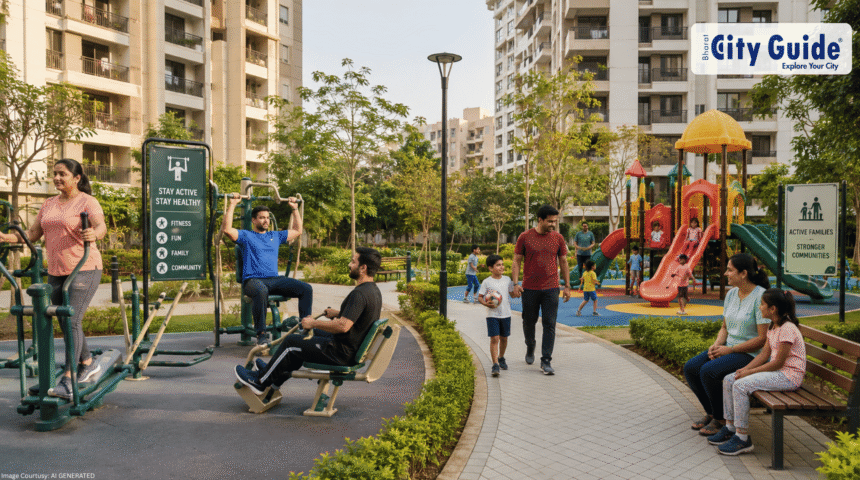
These parks are more than simple jogging tracks or children’s play areas. They represent thoughtfully designed wellness ecosystems where children can play safely, parents can exercise conveniently, seniors can stay mobile, and communities can connect through active shared spaces. From outdoor gyms and yoga lawns to cycling loops, sensory play zones, walking paths, and multi-generational activity hubs, these parks can redefine residential wellness.
In a country where urban density is rising and lifestyle-related health concerns are becoming more visible, family-friendly fitness spaces inside residential communities may become an essential pillar of healthier everyday life.
In this comprehensive guide, we explore why Family-Friendly Fitness Parks in Indian Housing Societies matter, design priorities, social and health benefits, planning strategies, inclusivity, implementation challenges, and the future of wellness-centered residential living.
What Are Family-Friendly Fitness Parks in Indian Housing Societies?
Family-Friendly Fitness Parks in Indian Housing Societies are dedicated shared recreational and wellness spaces designed to support physical activity, play, social interaction, and holistic health for residents across age groups.
These May Include:
- Walking tracks
- Jogging loops
- Outdoor gym equipment
- Yoga lawns
- Playgrounds
- Cycling paths
- Senior mobility zones
- Sports courts
- Meditation gardens
- Multi-use activity spaces
The goal is to promote healthy living within everyday residential life.
Why Housing Societies Need Fitness-Oriented Community Spaces
Key Urban Lifestyle Challenges:
- Sedentary routines
- Screen dependence
- Childhood inactivity
- Limited green spaces
- Stress
- Social isolation
Fitness parks can help address these concerns locally.
Benefits for Children
1. Physical Development
Children need movement for:
- Strength
- Coordination
- Bone health
- Motor skills
2. Social Skills
Play zones encourage:
- Teamwork
- Friendship
- Communication
3. Reduced Screen Time
Accessible outdoor spaces may encourage healthier recreation.
Benefits for Adults
Key Advantages:
- Convenient exercise
- Stress relief
- Walking routines
- Community engagement
- Family bonding
Benefits for Senior Citizens
Dedicated senior-friendly zones can support:
- Joint mobility
- Social connection
- Safe movement
- Emotional wellbeing
Multi-Generational Design: The Biggest Strength
One of the most powerful aspects of family-friendly fitness parks is their ability to serve:
- Toddlers
- School children
- Teenagers
- Parents
- Seniors
This inclusivity strengthens social cohesion.
Essential Features of a Successful Fitness Park
Walking and Jogging Tracks
Safe, well-maintained pathways are foundational.
Outdoor Fitness Equipment
Examples:
- Cross trainers
- Stretch bars
- Cycling machines
Children’s Activity Zones
Best Features:
- Safe surfaces
- Climbing structures
- Interactive play
Yoga and Meditation Spaces
These support:
- Mental wellness
- Group classes
- Quiet reflection
Sports Courts
Examples:
- Badminton
- Basketball
- Mini football
Green Landscaping
Nature-rich environments can enhance:
- Air quality
- Mood
- Aesthetics
Safety Considerations
Priorities:
- Soft flooring
- Lighting
- CCTV
- Accessibility
- Maintenance
Safety strongly influences usage.
Accessibility and Inclusion
Fitness parks should ideally support:
- Wheelchair access
- Senior usability
- Child safety
- Diverse abilities
Mental Health and Community Wellness
Shared activity spaces can strengthen:
- Emotional wellbeing
- Neighbor interaction
- Community trust
Role of Resident Welfare Associations (RWAs)
RWAs often influence:
- Budgeting
- Design decisions
- Maintenance
- Community programming
Seasonal and Climate Considerations in India
India’s climate diversity requires:
- Shade
- Heat-resistant materials
- Rainwater planning
- Ventilation
Sustainability Features
Eco-friendly parks may include:
- Solar lighting
- Rainwater harvesting
- Native plants
- Recycled surfaces
Smart Technology Integration
Modern societies may add:
- Fitness tracking stations
- App bookings
- Smart lighting
- Security alerts
Programming Beyond Infrastructure
Parks become more valuable when paired with:
- Yoga classes
- Kids camps
- Senior walks
- Weekend sports
Challenges in Implementation
Common Obstacles:
- Space limitations
- Budget constraints
- Maintenance costs
- Uneven participation
Real Estate and Property Value
Wellness infrastructure can also improve:
- Resident satisfaction
- Market appeal
- Premium perception
Affordable Models for Mid-Sized Societies
Even limited spaces can include:
- Walking loops
- Modular play zones
- Compact fitness stations
Rural and Semi-Urban Housing Potential
Community wellness zones are not only urban opportunities.
Women’s Safety and Participation
Design should prioritize:
- Visibility
- Lighting
- Inclusive programming
Future Trends
Likely Innovations:
- Smart wellness parks
- Inclusive design standards
- Wellness-centric housing branding
- AI fitness integration
Why This Matters for India’s Urban Future
Family-friendly parks support:
- Preventive health
- Community cohesion
- Child development
- Active aging
- Better quality of life
Best Practices for Housing Societies
Priorities:
- Resident surveys
- Inclusive design
- Maintenance planning
- Safety-first approach
- Flexible programming
Frequently Asked Questions (FAQs)
1. What are Family-Friendly Fitness Parks in Indian Housing Societies?
They are community spaces designed for exercise, play, and wellness across age groups.
2. Why are these parks important?
They support health, social bonding, and active lifestyles.
3. Are they only for premium societies?
No, scalable versions can suit many housing budgets.
4. What features matter most?
Safety, accessibility, multi-age usability, and maintenance.
5. Can they help children?
Yes, through physical activity and social play.
6. Do seniors benefit too?
Absolutely, especially with mobility-friendly design.
7. Can fitness parks improve property value?
Wellness amenities may increase desirability.
Conclusion
Family-Friendly Fitness Parks in Indian Housing Societies are becoming increasingly important as residential communities evolve from mere living spaces into ecosystems of wellbeing. By integrating wellness, recreation, safety, and social interaction into everyday environments, these spaces can significantly improve quality of life for children, adults, and seniors alike.
In India’s fast-urbanizing future, housing societies that prioritize active living may not only build healthier residents, but stronger communities.
Creating such spaces is ultimately an investment not just in infrastructure, but in everyday happiness, preventive health, and meaningful neighborhood life.