Introduction: The Most Underrated Exercise Is Right Outside Your Door
When people think of “fitness,” they imagine gyms, sweat, and strict routines.
- 1) Heart Health Booster
- 2) Mental Health Support
- 3) Weight Management
- 4) Joint & Mobility Support
- 5) Better Sleep
- Step 1: Warm-Up (3 Minutes)
- Step 2: Brisk Walk (14 Minutes)
- Step 3: Cool-Down (3 Minutes)
- ❌ Slouching
- ❌ Walking Too Fast Too Soon
- ❌ Inconsistent Schedule
- ❌ Treating It Like a Chore
- 🎧 Add a Podcast or Music
- 🌳 Choose Pleasant Routes
- 👥 Walk with Someone
- 📞 Walking Calls
- 1) Fix a Time
- 2) Start Small
- 3) Track Feelings, Not Steps
- 4) Celebrate Consistency
- Today’s Task
- Reflection Question
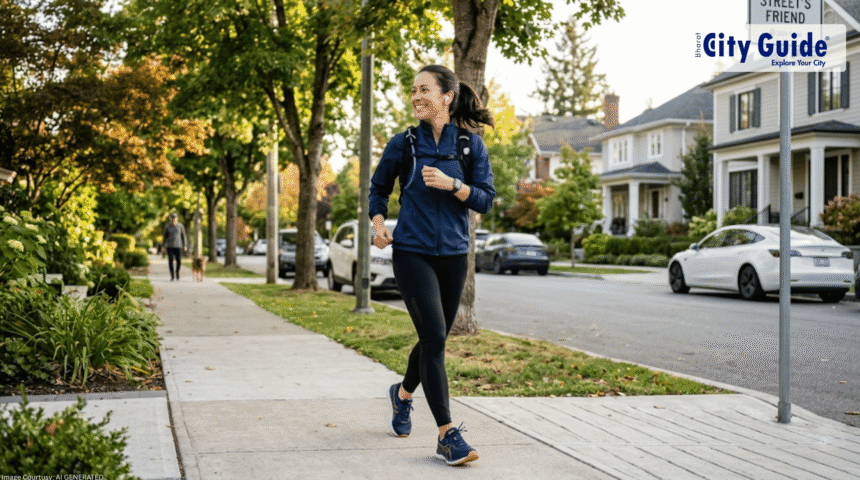
But your best fitness partner might be your own street.
Walking is natural.
Walking is free.
Walking is for every age.
And in 2026—when many people feel overwhelmed by complex fitness advice—walking remains the simplest, most sustainable form of exercise.
No equipment.
No pressure.
No intimidation.
Just you and your steps.
As your lifestyle coach, I’ll tell you this gently:
👉 You don’t need to become an athlete to become healthier.
👉 You just need to walk regularly.
Why Walking Is Powerful in 2026
Modern life has made us sit more than ever:
- Desk jobs
- Screens
- Delivery apps
- Long commutes
- Work-from-home routines
Movement has reduced. Stress has increased.
Walking reverses that.
It brings your body back to what it was designed to do—move.
The Science-Backed Benefits of Walking
Walking isn’t “basic.”
It’s deeply effective.
1) Heart Health Booster
A brisk 20-minute walk:
✔️ Improves circulation
✔️ Lowers blood pressure
✔️ Strengthens heart function
✔️ Supports cholesterol balance
Your heart loves consistent walking.
2) Mental Health Support
Walking reduces:
- Stress
- Anxiety
- Overthinking
- Mental fatigue
It increases feel-good hormones.
Many people notice clearer thinking after a walk.
3) Weight Management
Walking helps burn calories steadily.
Not extreme.
Not exhausting.
Just sustainable.
Consistency matters more than speed.
4) Joint & Mobility Support
Gentle on joints compared to high-impact workouts.
Walking keeps:
- Knees active
- Hips mobile
- Spine aligned
Movement is lubrication for joints.
5) Better Sleep
Regular walkers often fall asleep faster and sleep deeper.
Evening walks can relax the body.
Walking Fits Real Indian Lifestyles
Walking blends naturally into daily life:
- After dinner strolls
- Market walks
- Temple visits
- Park rounds
- Walking while on calls
- Errand walking
It doesn’t feel like “exercise.”
It feels like living.
The Simple 20-Minute Walking Routine
Beginner-friendly.
No special gear needed.
Step 1: Warm-Up (3 Minutes)
Walk slowly.
Roll shoulders.
Swing arms gently.
Let your body wake up.
Step 2: Brisk Walk (14 Minutes)
Walk at a pace where:
✔️ You can talk
✔️ But not sing easily
This is your sweet spot.
Step 3: Cool-Down (3 Minutes)
Slow your pace.
Stretch calves and thighs lightly.
Breathe deeply.
Total Time: 20 Minutes
That’s it.
Simple. Repeatable. Effective.
Post-Roti Walk – A Smart Habit
A short walk after meals helps:
- Digestion
- Blood sugar balance
- Reduced bloating
- Energy levels
Even 10–20 minutes helps.
Make it a family habit.
Common Walking Mistakes to Avoid
❌ Slouching
Keep chest open.
Look ahead, not down.
Good posture prevents neck and back strain.
❌ Walking Too Fast Too Soon
Start comfortably.
Build gradually.
❌ Inconsistent Schedule
Daily short walks beat rare long walks.
❌ Treating It Like a Chore
Walking is relaxation, not punishment.
Make Walking Enjoyable
🎧 Add a Podcast or Music
Learning while walking feels rewarding.
🌳 Choose Pleasant Routes
Parks, quiet streets, greenery boost mood.
👥 Walk with Someone
Friends or family increase consistency.
📞 Walking Calls
Take calls while walking when possible.
Walking for Busy People
No “extra time” needed.
Try:
- Parking farther
- Taking stairs
- Walking during breaks
- Short evening strolls
Small pockets of walking add up.
Walking and Mental Clarity
Ever noticed ideas flow while walking?
That’s real.
Walking improves blood flow to the brain.
It helps:
✔️ Creativity
✔️ Problem solving
✔️ Emotional regulation
Many successful leaders use walking to think better.
2026 Trend: Micro-Workouts
Fitness trends now favor:
- Short routines
- Daily movement
- Sustainable habits
Walking fits perfectly.
No burnout.
No pressure.
Motivation Without Pressure
You don’t need:
❌ Fancy shoes
❌ Fitness trackers
❌ Strict targets
You just need consistency.
Some days slow.
Some days brisk.
All steps count.
A Gentle Mindset Shift
Instead of:
“I must exercise.”
Try:
👉 “I get to walk for my health.”
This changes everything.
Habit-Building Tips
1) Fix a Time
Morning or evening.
2) Start Small
Even 10 minutes works.
3) Track Feelings, Not Steps
Notice mood and energy.
4) Celebrate Consistency
Every walk is a win.
What Happens After 30 Days
Many walkers notice:
✔️ Better stamina
✔️ Lighter mood
✔️ Improved digestion
✔️ Better sleep
✔️ More energy
Small habits create big change.
Walking for All Ages
Teens, adults, seniors—all benefit.
It’s one of the safest exercises.
Adapt pace to comfort.
Weather-Proof Walking
Too hot or rainy?
Try:
- Indoor walking
- Walking in place
- Mall walking
- Terrace walks
Movement matters more than location.
Encouragement from Your Coach
You don’t need perfection.
You need presence.
One walk at a time.
Your future self will thank you.
Reflection Question
👉 Did fresh air lift your mood today?
If yes—that’s progress.
Long-Term Impact
20 minutes daily =
120+ hours/year of movement.
That’s powerful heart care.
Walking Builds a Calm Life
Walking is not just cardio.
It’s therapy.
It’s reflection.
It’s self-care.
Each step releases tension.
Conclusion: Your Street Is Your Gym
You don’t need complicated workouts.
You need simple, repeatable habits.
Walking is the most human exercise.
Step outside.
Breathe deeply.
Move gently.
Fitness doesn’t have to be hard to be effective.
👉 Your street is your gym.
👉 Your steps are your medicine.
Start today.
One walk. One habit. One healthier life.
FAQ – Walking for Fitness
Q1: Is 20 minutes of walking enough?
Yes. Done daily, it supports heart and mental health.
Q2: Is walking enough for weight loss?
Combined with mindful eating, yes.
Q3: Morning or evening better?
Both work. Choose what fits your life.
Q4: Do I need special shoes?
Comfortable footwear helps but doesn’t need to be expensive.
Q5: What if I miss a day?
No guilt. Resume next day.
Q6: Can seniors walk daily?
Yes—at a comfortable pace.
Today’s Task
👉 Take a 20-minute walk.
Reflection Question
👉 Did the fresh air feel uplifting?