Introduction
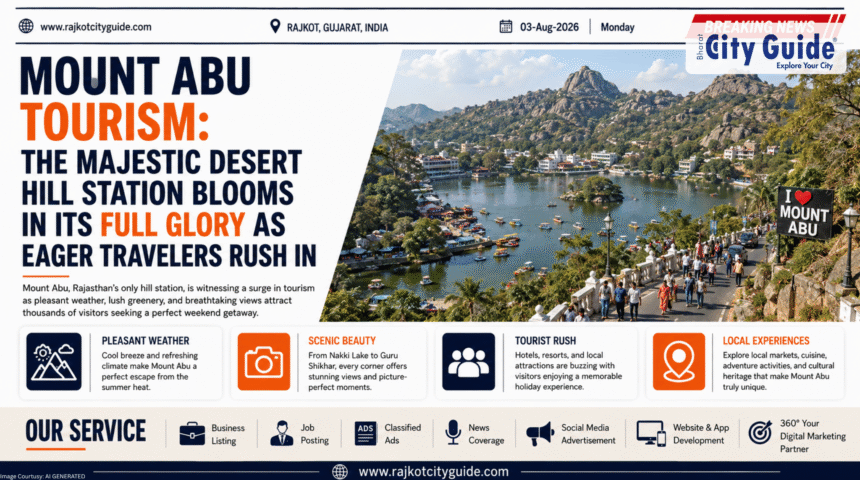
The monsoon season brings a magical transformation across the Indian subcontinent, turning dry plains and rocky mountains into vibrant, emerald-green landscapes. While the state of Rajasthan is historically celebrated for its expansive deserts and sun-drenched palaces, its sole hill station presents a completely contrasting ecological wonder. Lately, Mount Abu tourism has witnessed a massive surge in popularity as heavy seasonal showers have caused the destination’s natural beauty to bloom in its full glory. Dense mist blankets the elevated terrain, active waterfalls cascade down the rocky cliffs, and the cool highland air provides a welcome escape from the humid heat of the lowlands.
- Introduction
- What is Mount Abu Tourism?
- Why This News is Important
- Background Information
- Key Highlights
- Detailed Explanation of the Seasonal Transition
- Major Attractions Revitalized by the Rain
- How It Impacts Different Groups
- Expert Travel Insights and Safety Guidelines
- Challenges and Limitations of Seasonal Travel
- Future Outlook
- Frequently Asked Questions (FAQs)
- Conclusion
This spectacular environmental revival has drawn an influx of thousands of weekend travelers and nature enthusiasts from neighboring states, particularly Gujarat and Central India. The sudden crowd surge highlights Mount Abu’s enduring position as a top-tier holiday getaway. When the region receives consistent precipitation, its dense forest reserves, historic architectural gems, and scenic viewpoints become completely revitalized, creating postcard-worthy backdrops. Navigating this surge requires careful logistical planning, an awareness of hillside driving safety, and insights into local accommodation trends. This exhaustive guide provides an analysis of the current tourism spike, historical context, key destination highlights, and essential advice for travelers aiming to experience Mount Abu’s monsoon charm.
What is Mount Abu Tourism?
Mount Abu tourism encompasses the complete economic network, travel infrastructure, sightseeing systems, and cultural heritage offerings centered around the town of Mount Abu. Situated within the ancient Aravalli Range in the Sirohi district of southwestern Rajasthan, Mount Abu rests on a high-altitude rocky plateau measuring roughly 22 kilometers in length and 9 kilometers in width. Reaching an altitude of 1,220 meters above sea level, the destination serves as a vital ecological and recreational oasis, providing cool micro-climatic conditions that run entirely counter to the surrounding desert terrain.
The tourism model here combines nature exploration, spiritual pilgrimages, and colonial-era leisure travel. The town is home to the world-renowned Dilwara Jain Temples, famous for their 11th- to 13th-century intricate marble carvings. Additionally, it houses the global headquarters of the Brahma Kumaris spiritual movement, attracting domestic and international visitors year-round. From eco-tourism treks along rugged trails to peaceful boat rides across central freshwater bodies, the town caters to family vacationers, honeymooning couples, and solo adventure trekkers alike.
Why This News is Important
The rapid surge in visitor arrivals during the rainy season serves as a major financial indicator for the hospitality and regional transport sectors of both Rajasthan and Gujarat. Following severe summer dry spells, this seasonal influx provides a significant economic boost to local hoteliers, street vendors, tour guides, and transport operators. The heavy footfall confirms that regional travelers prioritize quick, nature-focused driving vacations when weather conditions shift favorably.
From an administrative perspective, this news highlights the immediate need for efficient crowd regulation and disaster management systems. When thousands of small private vehicles and tourist buses travel up the narrow mountain roads simultaneously, local municipal bodies face the complex challenge of balancing tourism revenue with environmental preservation and passenger safety. Managing this balance ensures that the hill station’s fragile high-altitude ecosystem remains protected against over-tourism and uncontrolled waste accumulation.
Background Information
Historically, Mount Abu holds a highly sacred place in Puranic geography, referred to anciently as “Arbudanchal”. Legends associate the plateau with the profound penance of Sage Vashistha. In modern history, its unique climate was formally documented by British officer Colonel James Tod in 1822, who recognized its potential as a summer sanctuary from the blistering heat of the plains. The British administration eventually leased the area from the Maharaja of Sirohi, establishing sanatoriums, military barracks, and ornate summer lodges that heavily influenced the town’s current architectural identity.
Because the hill station is located a short drive from the Gujarat border—lying roughly 58 kilometers away from Palanpur—it has traditionally functioned as the primary weekend destination for Gujarati communities. Over successive generations, traveling to Mount Abu has transformed into a cultural ritual for residents of cities like Ahmedabad, Surat, and Mehsana. The town’s location allows families to escape urban environments within a few hours of driving, making it the most heavily visited hill retreat in Western India.
Key Highlights
- Full Bloom of Natural Scenery: Frequent rains have brought out the lush green cover across the Aravalli hillsides, filling local valleys with thick fog and low-lying cloud systems.
- Massive Influx of Tourists: Weekend traffic data shows thousands of incoming travelers from Gujarat and local Rajasthani districts entering the hill station.
- Water Bodies Overflowing: The iconic central Nakki Lake and surrounding forest check-dams have filled up completely, enhancing the aesthetic appeal of local boat rides.
- Active Waterfalls: Seasonal cascades along the main ghat paths have turned into active water torrents, creating popular photography stops for travelers.
- Economic Recovery: Local retail markets, street food stalls, and standard hotels report maximum operational capacity and high demand after the quieter summer season.
Detailed Explanation of the Seasonal Transition
The recent atmospheric shifts have completely altered the visual and tactile experience of the town. During the dry summer months, the rocky structures of the Aravalli range present a rugged, sun-bleached look. However, the arrival of consistent monsoon winds changes the landscape entirely. The parched topsoil absorbs the rainwater quickly, allowing dormant seeds, mosses, and high-altitude ferns to spread across every available crevice, transforming the cliffs into solid green walls.
As travelers make their way up the mountain roads from Abu Road station, they are greeted by low-flying clouds that drift directly across the asphalt corridors, significantly reducing visibility but creating an immersive atmosphere. The town’s central promenade near Nakki Lake has become a primary hub of activity. In the late afternoon hours, the lake area fills with visitors enjoying hot local snacks like roasted sweet corn and spiced tea while taking in the views of the mist rolling over nearby rock formations like Toad Rock.
At higher elevations, such as Guru Shikhar—the highest peak in the range standing at 1,722 meters—the experience is even more intense. The high winds and heavy fog at the summit give visitors the feeling of standing in a Himalayan range rather than a desert state. While the thick cloud cover often obscures the panoramic valley views from spots like Sunset Point and Honeymoon Point, travelers are happy to trade distant vistas for the unique experience of walking through dense, rain-cooled clouds.
Major Attractions Revitalized by the Rain
1. Nakki Lake and Toad Rock
As the central focal point of the town, Nakki Lake looks exceptionally beautiful when framed by gray storm clouds and vibrant green hills. The surrounding pedestrian pathways are ideal for nature walks, and the paddle boating facilities stay busy whenever the rain pauses briefly. The short hike up to Toad Rock gives visitors an excellent vantage point to view the entire filled lake basin.
2. Guru Shikhar Peak
The drive up to Guru Shikhar becomes an attraction in its own right during the monsoon. The winding roads pass through dense forest sections where wild streams cross under the bridges. At the peak, the ancient temple dedicated to Dattatreya gets wrapped in thick fog, creating a quiet, meditative atmosphere.
3. Dilwara Jain Temples
While the outside of these historic structures gets washed clean by the seasonal rains, the interior marble halls take on a soft, glowing appearance under the diffused monsoon light. The cool mountain breeze enhances the spiritual and contemplative environment for architecture fans and pilgrims alike.
4. Trevor’s Tank and Anadra Point
For visitors looking to escape the busiest crowds, Trevor’s Tank—a secluded nature reserve designed by a British engineer—offers a peaceful look at local wildlife. During the rainy season, this sanctuary fills with diverse bird species, and lucky visitors can spot mugger crocodiles resting along the rocky edges of the central pond.
How It Impacts Different Groups
Leisure Travelers and Vacationers
For everyday tourists, the current weather provides a refreshing break from the intense summer heat of the plains. The lower temperatures make walking around local markets and exploring heritage sites much more comfortable. However, visitors must stay flexible with their schedules, as sudden heavy downpours can temporarily delay outdoor sightseeing plans.
Road Trippers and Drivers
The 165-kilometer highway route connecting Udaipur to Mount Abu stands out as one of the most scenic driving corridors in Western India during the rainy season. Road trippers get to enjoy beautiful views of green valleys and roadside waterfalls. That said, drivers face increased challenges, including wet, slippery tarmac, sharp mountain turns with low visibility, and the potential risk of loose gravel falling onto the roads.
Local Hoteliers and Business Operators
The surge in Mount Abu tourism brings a welcome rise in revenue for the local business community. While many luxury properties offer attractive mid-week packages to draw in visitors, weekend room rates rise quickly due to high demand. Street vendors, handicraft shops, and local restaurants all see steady patronage from the high volume of foot traffic.
Environmentalists and Forest Authorities
The rapid influx of thousands of tourists puts a significant strain on the hill station’s fragile ecosystem. Waste management teams must work continuously to prevent plastic pollution along sensitive forest trails and water sources. Forest department officials monitor entry points closely to ensure tourist activities do not disturb the local wildlife, including sloth bears and leopards inhabiting the surrounding sanctuary zones.
Expert Travel Insights and Safety Guidelines
Experienced travel planners and hospitality experts emphasize that visiting a mountain destination during the rainy season requires smart preparation. To get the most out of a trip while staying safe, travelers should follow these practical guidelines:
- Mindful Driving Practices: Avoid driving on unfamiliar mountain roads after dark. The combination of heavy fog, missing streetlights, and wet roads makes nighttime driving highly hazardous.
- Footwear and Gear: Pack high-traction, waterproof trekking shoes to handle slippery stone steps and muddy walking paths. Keeping compact umbrellas and waterproof phone covers handy is also highly recommended.
- Wildlife Awareness: Remember that Mount Abu’s forests are home to active wildlife populations. Avoid wandering onto isolated trails without a registered local guide, and never pull over to feed or photograph wild animals along the highways.
- Advance Bookings: Due to the large influx of weekend travelers from Gujarat, popular mid-range and luxury properties fill up quickly. Booking accommodations well ahead of time helps avoid high last-minute prices or arriving to find no vacancies.
Challenges and Limitations of Seasonal Travel
While the mist-covered hills are beautiful, traveling during the monsoon presents real practical challenges. The most common issue is the unpredictability of outdoor activities. For instance, boat operations at Nakki Lake are quickly paused by the administration during heavy downpours or periods of exceptionally high winds to protect passenger safety.
Additionally, the heavy fog that gives the town its charm can also limit classic sightseeing experiences. Visitors who climb all the way up to Guru Shikhar or visit Sunset Point might find themselves looking at a solid wall of white fog, making photography difficult and hiding the expansive valley views entirely. Traffic bottlenecks on the narrow access roads leading to major viewpoints can also lead to delays during busy weekend afternoons.
Future Outlook
The outlook for regional travel remains highly positive. Local tourism boards plan to continue promoting the hill station as a year-round destination, moving away from its traditional identity as a summer-only getaway. Ongoing infrastructure projects, including building better roadside barriers and updating municipal drainage systems, aim to make monsoon travel smoother and safer for incoming visitors.
As sustainable travel practices become more widely adopted, the local administration is looking into eco-tourism options, such as guided nature walks and strictly regulated camping zones. These efforts aim to distribute tourist foot traffic more evenly across the wider Sirohi district, reducing pressure on the central town area while ensuring the long-term protection of the region’s unique high-altitude environment.
Frequently Asked Questions (FAQs)
1. Why is the monsoon considered a prime season for Mount Abu tourism?
The monsoon season completely transforms the region’s landscape. Frequent rains turn the dry, rocky hills into vibrant green fields, fill local lakes, and bring cool winds and beautiful mist, creating a refreshing escape from the humid lowlands.
2. Is it safe to drive from Gujarat to Mount Abu when it is raining?
Yes, the drive is generally safe because the connecting highways are well-maintained. However, drivers need to use extra caution on the winding mountain roads up to the town, as heavy rains can create slick surfaces and thick fog can significantly reduce visibility.
3. Are major sightseeing locations like the Dilwara Temples open during the rainy season?
Yes, almost all key historic and cultural landmarks—including the Dilwara Jain Temples, the Brahma Kumaris complexes, and local museums—remain fully operational throughout the rainy months.
4. How does the weather affect boating activities on Nakki Lake?
Boating on Nakki Lake remains a highly popular activity during the season. However, the local administration may temporarily pause boat rentals during intense downpours or periods of very high winds to ensure passenger safety.
5. What unique clothing items should I pack for a monsoon trip?
Travelers should pack reliable waterproof jackets or raincoats, quick-drying clothing layers, high-traction walking shoes, and a light sweater or shawl, as evening temperatures in the hills can drop noticeably.
6. Can visitors spot any unique wildlife around the area during this time?
Yes, the surrounding wildlife sanctuary is home to diverse species, including crocodiles at Trevor’s Tank, sloth bears, and various migratory birds that become more active around local water sources during the rainy season.
Conclusion
The striking transformation of the landscape shows why Mount Abu tourism experiences such a significant revival during the monsoon months. The combination of lush green hillsides, mist-filled valleys, active waterfalls, and filled lakes creates an inviting paradise for travelers eager to step away from crowded city spaces. While the seasonal rains require careful driving, flexible itineraries, and smart preparation, the unique experience of exploring a green, mist-covered desert hill station makes the effort entirely worthwhile. By following practical safety tips and supporting sustainable tourism practices, visitors can fully enjoy the natural beauty of the Aravalli range while helping protect this unique ecosystem for future generations.