Introduction
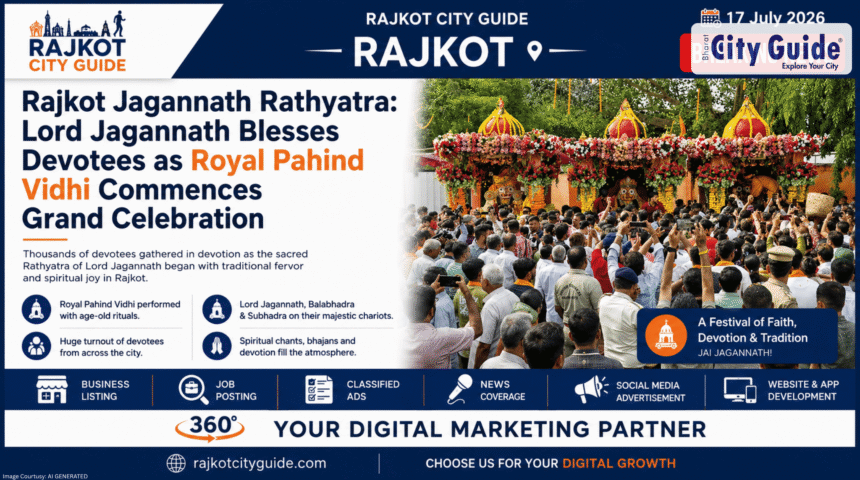
The air in Saurashtra’s cultural capital vibrated with spiritual energy as the grand Rajkot Jagannath Rathyatra commenced its annual journey across the city. Amidst the deafening and rhythmic chants of “Jai Ranchhod Makhanachor” and “Hare Krishna,” the wooden chariots carrying Lord Jagannath, his elder brother Lord Balabhadra, and their sister Subhadra rolled onto the streets. The massive religious event marks a peak celebration of faith, community bonding, and age-old traditions, drawing hundreds of thousands of eager devotees from all corners of the state who gathered along the decorated roads to catch a single glimpse of the deities.
- Introduction
- What is the Rajkot Jagannath Rathyatra?
- Why This News is Important
- Background Information and Historical Context
- Key Highlights of the Celebration
- Detailed Explanation of the Event and Rituals
- Benefits and Importance of the Annual Yatra
- How It Impacts the Community
- Industry Perspective and Expert Insights
- Challenges and Logistical Limitations
- Future Outlook
- Frequently Asked Questions (FAQs)
- Conclusion
This year’s procession carries immense institutional value, underscoring the preservation of classic royal traditions within modern community festivals. The historic yatra formally crossed into its active phase following the execution of the traditional Pahind Vidhi—a sacred cleaning ritual—performed by the current representative of the Rajkot Royal Family, Thakor Saheb Mandhatasinh Jadeja. Sweeping the path of the Lord with a symbolic golden broom, the royal lineage preserved its generational covenant with the citizenry. As evening approached, the emotional intensity of the celebration grew, culminating in a spectacular, deeply moving Maha Aarti that brought together diverse social groups under a shared canopy of spiritual ecstasy.
For Rajkot, this event serves as a living exhibition of local culture, micro-economies, and public safety management. The festival demonstrates how ancient public processions can adapt seamlessly into modern urban environments without losing their theological purity. From beautifully adorned elephants leading the route to dynamic displays by local physical fitness clubs, the procession represents the cultural heart of Gujarat during the auspicious occasion of Ashadhi Beej.
What is the Rajkot Jagannath Rathyatra?
The religious phenomenon known as the Rajkot Jagannath Rathyatra is an annual public chariot procession modeled after the world-famous festival held in Puri, Odisha. Historically celebrated on the second day of the bright fortnight of the Hindu month of Ashadha (Ashadhi Beej), the festival serves a profound theological purpose: it represents the Supreme Lord exiting the inner sanctum of the temple to meet his devotees directly on the streets, regardless of their social background, physical limitations, or caste.
These massive structures are pulled entirely by hand using heavy coir ropes by thousands of absolute devotees, a collective action believed to wash away lifetimes of negative karma. The procession winds through a carefully mapped network of historical residential lanes, busy commercial markets, and modern avenues. Along the way, the deities pause at temporary altars where families can offer seasonal fruits, traditional sweets, and dry fruits.
Why This News is Important
The successful execution of the procession matters deeply to the region’s cultural identity and modern community relations. In an era dominated by rapid digitization and changing lifestyles, the massive turnout at the yatra proves that cultural roots remain deep-seated among urban youth and working professionals in Saurashtra. It serves as a strong reminder of the community’s shared heritage.
Furthermore, the public inclusion of the Rajkot royal lineage brings a deep sense of historical continuity to the city. The dynamic participation of Mandhatasinh Jadeja highlights that while the political governance of princely states ended decades ago, the spiritual and moral responsibility of the royal house to serve the deities during major public festivals remains fully intact.
From a practical perspective, managing an event of this scale is a massive test for municipal infrastructure and public safety. Coordinating a multi-kilometer long procession through highly populated city centers demands precision timing, real-time traffic updates, and top-tier security management. Passing this logistical test year after year reflects the strong coordination between local community groups, non-profits, and the state police force.
Background Information and Historical Context
The tradition of organizing chariot yatras for Lord Jagannath in Gujarat holds deep historical roots, famously traced back to the primary automated processions initiated in Ahmedabad over 140 years ago by the ancient temple at Jamalpur. Over the decades, this spiritual practice gradually branched out into major urban zones across Saurashtra, with Rajkot establishing its own highly unique, community-driven celebration.
Historically, the yatra in Rajkot grew out of modest, localized temple movements into a massive, city-wide event. In its early days, the procession consisted of smaller brass idols placed on simple, hand-drawn carts that traveled through the narrow lanes of the old city. However, as the city grew commercially and demographically, various local socio-religious trusts stepped up to expand the festival’s scale.
The inclusion of the Royal Family of Rajkot dates back generations. The jadeja rulers have historically patronized major temples and cultural events, considering themselves the primary servants of the public good. The ritual of Pahind Vidhi—where the king or royal head cleans the path before the chariots move—symbolizes humility, showing that even the highest authority in the land is a humble servant before the cosmic creator. This long-standing connection bridges the gap between the city’s rich past and its vibrant present.
Key Highlights of the Celebration
- Royal Pahind Vidhi: Thakor Saheb Mandhatasinh Jadeja executed the cleaning ritual using a symbolic golden broom to kick off the chariot movement.
- Massive Public Gathering: Thousands of devotees filled the streets, filling the urban air with rhythmic chants of “Jai Ranchhod Makhanachor.”
- Traditional Elements: The long procession featured decorated elephants, traditional folk dancers, musical bands, and energetic martial arts displays.
- Grand Evening Ritual: The event culminated in a massive, synchronized Maha Aarti attended by major spiritual leaders and local administrative heads.
- Community Feasting: Over a dozen non-profit groups set up distribution counters along the route to provide free prasadam, buttermilk, and clean water to the public.
Detailed Explanation of the Event and Rituals
The celebration began early in the morning at the host temple premises, where specialized priests performed elaborate purification rituals, including the Netrotsav ceremony. The deities, freshly painted and dressed in bright silk garments decorated with real gold threads, were brought out of the temple in a lively ceremonial procession known as Pahandi, accompanied by the energetic beating of traditional drums and cymbals.
The Sacred Royal Pahind Vidhi
Once the deities were securely placed on their respective thrones within the wooden chariots, the most awaited ritual of the day—the Pahind Vidhi—commenced. Clad in traditional royal attire, Thakor Saheb Mandhatasinh Jadeja stepped forward onto the main chariot stage. Holding a beautifully crafted golden broom, he swept the floor around the wheels and the immediate pathway, splashing the ground with fragrant rosewater mixed with sandalwood paste. This ritual sends a clear message: no human position is too grand to bow down in service to society and the divine.
The Journey Through Rajkot’s Historic Core
With the royal cleaning ritual complete, the heavy coir ropes were handed over to the public. The chariots moved out of the temple gates, accompanied by a long parade of floats. The procession was led by caparisoned elephants, followed by folk dance troupes performing the traditional Rasa Garba, and local gymnasiums (Akhadas) showcasing impressive feats of physical strength and martial arts.
The procession moved systematically through historic areas like the Old City markets, Dharmendra Road, Gundawadi, and Trikaon Baug. At every crossroad, local business owners and residential committees set up massive floral arches to welcome the chariots. Families gathered on balconies and rooftops to shower the passing deities with handfuls of rose petals.
The Evening Maha Aarti
As twilight set over the city, the chariots arrived at their designated evening halting ground. The entire area was lit by thousands of earthen lamps and decorative LED setups for the grand Maha Aarti. Led by senior mahants and joined by local civic leaders, the massive crowd raised their brass lamps in unison. The synchronized waving of lights, paired with the deep sound of temple bells and conch shells, created a powerful, unforgettable spiritual atmosphere across the entire city block.
Benefits and Importance of the Annual Yatra
The annual execution of the Rajkot Jagannath Rathyatra brings several meaningful benefits to local society, culture, and the economy:
| Dynamic Category | Specific Activity | Realized Societal Benefit |
| Social Integration | Joint Chariot Pulling | Dissolves social boundaries by uniting all communities |
| Economic Stimulus | Street Vendor Markets | Boosts seasonal micro-retail, handicraft sales, and local transport |
| Cultural Preservation | Akhada & Folk Art Displays | Keeps traditional martial arts and local dance forms alive for the youth |
| Charity Operations | Mass Prasadam Distribution | Provides free food and drinks to tens of thousands of citizens |
The festival plays a vital role in keeping local folk arts alive. The various groups that perform during the procession spend months practicing traditional art forms that might otherwise fade away in the modern era. Additionally, the event provides a significant economic boost for local micro-vendors, flower merchants, and small-scale printers who supply the festival’s banners and flags.
How It Impacts the Community
1. Impact on Devotees and Citizens
For the ordinary citizens of Rajkot, the day is a welcome break from the daily routine, bringing a sense of shared joy and renewal. Pulling the chariots builds a deep bond of teamwork and neighborhood camaraderie. It is a time when people open their doors to strangers, offering water, food, and space to view the procession, strengthening the city’s social fabric.
2. Impact on the Local Business Community
The business community enjoys a major spike in seasonal trade. Sweet shops, traditional clothing boutiques, and flower markets see massive demand in the days leading up to Ashadhi Beej. Street vendors selling toys, balloons, and local snacks along the route experience some of their highest sales of the year, providing a helpful financial boost to low-income households.
3. Impact on Public Administration and Security Teams
For the Rajkot Police and Municipal Corporation, the event is a major exercise in crowd control and traffic management. Deploying hundreds of personnel, setting up CCTV monitoring rooms, and planning smooth route diversions requires highly advanced administrative skills. Successfully managing such a large event boosts the department’s operational readiness for everyday civic duties.
Industry Perspective and Expert Insights
Sociologists and cultural experts frequently point out that the Jagannath Rathyatra in Western India has evolved into an inclusive platform for community harmony. Unlike festivals confined within temple walls, the open nature of the yatra allows people from all walks of life to participate together.
Logistics experts note that the planning behind the Rajkot yatra showcases excellent grassroots management. The entire route is managed by sub-committees of dedicated volunteers who oversee drinking water stations, medical first-aid tents, and clean-up crews that follow the chariots to keep the streets tidy. This self-organized civic responsibility is something modern event planners study closely to understand how to handle large public gatherings efficiently.
Challenges and Logistical Limitations
Organizing an event of this scale naturally brings several real-world challenges:
- Weather Uncertainties: Held during the monsoon month of Ashadha, the procession is highly vulnerable to heavy downpours. The wooden chariots and delicate decorative elements must be built to withstand sudden rains without causing delays.
- Managing High Crowd Density: As the chariots pass through narrow historical streets, managing the dense crowds requires constant attention to prevent overcrowding and ensure emergency medical teams can move freely if needed.
- Post-Event Cleanliness: Managing the massive amount of dry waste, plastic water cups, and floral debris left behind along the multi-kilometer route is a constant challenge for municipal cleaning crews.
Future Outlook
The future framework of the Rajkot Jagannath Rathyatra points toward a smart, eco-friendly celebration. Organizers are increasingly discussing ways to incorporate green initiatives, such as using biodegradable plates for prasadam and setting up mobile water refill stations to eliminate single-use plastic cups along the route.
Additionally, local organizers plan to leverage technology by introducing live GPS tracking for the chariots. This will allow devotees to check the exact location of the procession via a smartphone app, helping them plan their visits easily, reducing sudden traffic jams, and allowing families to participate safely without standing in crowded spots for hours.
Frequently Asked Questions (FAQs)
1. What is the spiritual meaning behind the Rajkot Jagannath Rathyatra?
The yatra represents Lord Jagannath stepping out of his temple sanctum to meet all people directly on the streets, ensuring that everyone, regardless of health or status, has the opportunity to receive his blessings.
2. Who performed the traditional Pahind Vidhi in Rajkot this year?
The sacred Pahind Vidhi was performed by Thakor Saheb Mandhatasinh Jadeja, the current representative of the Rajkot Royal Family, continuing a proud generational tradition.
3. What materials are used to sweep the path during Pahind Vidhi?
The royal representative uses a beautifully crafted symbolic golden broom to clean the path in front of the chariots, which is then sprinkled with fragrant rosewater and sandalwood paste.
4. Which specific route does the chariot procession follow in Rajkot?
The yatra covers several key parts of the city, moving through historic areas like the Old City markets, Dharmendra Road, Gundawadi, and Trikaon Baug, before wrapping up at its final evening destination.
5. Why is the festival celebrated on the day of Ashadhi Beej?
Ashadhi Beej marks the second day of the bright fortnight of the Hindu month of Ashadha. This highly auspicious day aligns with the traditional start of the Rathyatra in Puri and is widely celebrated across Gujarat as the Kutchi New Year.
6. How do local non-profits support the moving procession?
Local organizations set up dozens of support camps along the route, providing medical aid, managing traffic flow, and distributing free snacks, buttermilk, and water to the public.
Conclusion
The vibrant celebration of the Rajkot Jagannath Rathyatra stands as a beautiful expression of deep faith, royal tradition, and vibrant community spirit. By successfully blending the timeless royal rituals of the Pahind Vidhi with excellent modern crowd management, the city of Rajkot paid a magnificent tribute to Lord Jagannath. The high turnout and joyful atmosphere across the city show that ancient traditions continue to bring people together, enriching the cultural fabric of modern Gujarat. As the chariots return and the echoes of the Maha Aarti fade, the shared values of unity, humility, and service will continue to inspire the community until next year’s journey.