Introduction
Blood donation is one of the most powerful acts of humanity. A single unit of donated blood can save multiple lives and provide hope to patients undergoing surgeries, cancer treatments, emergency care, and various medical procedures. Every year, World Blood Donor Day reminds us of the importance of voluntary blood donation and encourages people to contribute towards a healthier society.
- Introduction
- What is World Blood Donor Day Blood Donation Camp?
- Significance of the Blood Donation Camp Organized by Shri Satnam Charitable Trust
- Why Blood Donation Matters in Today’s World
- Understanding Blood Donation: A Simple Explanation
- Types of Blood Donation
- Who Can Donate Blood?
- The Process Followed During a Blood Donation Camp
- Benefits of Blood Donation
- Community Impact of the World Blood Donor Day Blood Donation Camp
- Challenges Faced by Blood Banks
- Common Myths About Blood Donation
- How Communities Can Encourage More Blood Donors
- The Role of Charitable Organizations in Public Health
- Lessons from the Blood Donation Camp
- Future of Blood Donation Awareness in India
- Frequently Asked Questions (FAQs)
- Conclusion
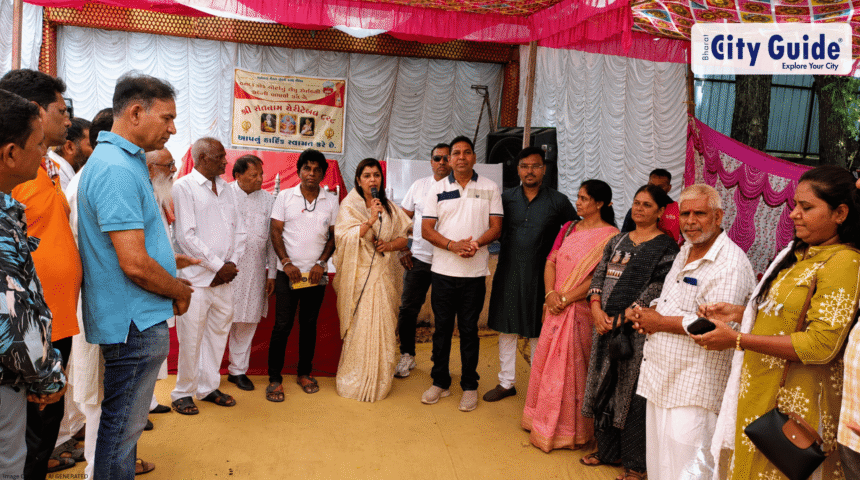
On the occasion of World Blood Donor Day, a remarkable World Blood Donor Day Blood Donation Camp was organized by Shri Satnam Charitable Trust at Shri Thakkarbapa Kumar Chhatralaya. The event not only focused on collecting blood but also aimed to create awareness about the importance of regular blood donation and recognize the invaluable contribution of blood donors.
The program witnessed enthusiastic participation from donors, volunteers, social workers, community leaders, and health professionals. During the event, blood donors were encouraged and appreciated for their selfless contribution to society.
What is World Blood Donor Day Blood Donation Camp?
A World Blood Donor Day Blood Donation Camp is a community-driven health initiative organized to promote voluntary blood donation and raise awareness about the constant need for safe blood supplies.
World Blood Donor Day is observed globally on June 14 every year. It serves as an opportunity to thank voluntary blood donors and encourage more individuals to donate blood regularly.
The blood donation camp organized by Shri Satnam Charitable Trust was a practical step toward supporting healthcare services and helping hospitals maintain adequate blood reserves for emergency situations.
Key objectives of such camps include:
- Encouraging voluntary blood donation
- Creating awareness about blood shortages
- Supporting hospitals and blood banks
- Recognizing blood donors
- Promoting social responsibility
- Saving lives through community participation
Significance of the Blood Donation Camp Organized by Shri Satnam Charitable Trust
The World Blood Donor Day Blood Donation Camp held at Shri Thakkarbapa Kumar Chhatralaya was more than just a health event. It represented compassion, social service, and collective responsibility.
The ceremonial lamp-lighting (Deep Pragatya) marked the beginning of the program, symbolizing knowledge, awareness, and service to humanity. During the event, organizers highlighted the importance of blood donation and motivated individuals to become regular donors.
The camp successfully brought together people from different backgrounds with a common goal—saving lives.
Major highlights of the event included:
- Celebration of World Blood Donor Day
- Encouragement and recognition of blood donors
- Community awareness sessions
- Voluntary participation by citizens
- Collaboration with healthcare professionals
- Promotion of humanitarian values
Why Blood Donation Matters in Today’s World
Blood is an essential medical resource that cannot be manufactured artificially. Hospitals rely entirely on donations from healthy individuals.
Every day, thousands of patients require blood for:
- Major surgeries
- Trauma and accident cases
- Cancer treatment
- Organ transplants
- Childbirth complications
- Blood disorders
- Emergency medical care
Without regular donors, healthcare systems can face critical blood shortages. Events like the World Blood Donor Day Blood Donation Camp help bridge this gap and ensure life-saving blood remains available when needed.
Understanding Blood Donation: A Simple Explanation
Blood donation is the process in which a healthy person voluntarily gives a certain amount of blood that can later be used for patients in need.
The donated blood is carefully collected, tested, processed, and stored by authorized blood banks before being supplied to hospitals.
The process is:
- Safe
- Quick
- Scientifically monitored
- Beneficial for society
Most blood donation procedures take approximately 10 to 15 minutes, while the entire visit may last around 30 to 45 minutes.
Types of Blood Donation
There are several types of blood donation depending on medical requirements.
Whole Blood Donation
This is the most common form of donation. Blood is collected and later separated into different components.
Platelet Donation
Platelets help control bleeding and are often required by cancer patients.
Plasma Donation
Plasma is used for treating burns, trauma, and certain medical conditions.
Double Red Cell Donation
This process collects extra red blood cells and is useful for patients suffering from severe blood loss.
Component Donation
Specific blood components are collected based on patient needs.
Who Can Donate Blood?
Although eligibility guidelines may vary slightly, most healthy adults can donate blood if they meet certain criteria.
General eligibility requirements include:
- Age between 18 and 65 years
- Good overall health
- Adequate hemoglobin levels
- Healthy blood pressure
- Appropriate body weight
- No active infections
Before donating, medical professionals conduct basic health screening to ensure donor safety.
The Process Followed During a Blood Donation Camp
The World Blood Donor Day Blood Donation Camp organized by Shri Satnam Charitable Trust followed standard healthcare procedures to ensure safety and efficiency.
Registration
Participants provide basic personal and medical information.
Health Screening
Doctors check:
- Blood pressure
- Hemoglobin levels
- Weight
- General health condition
Blood Collection
A trained healthcare professional collects blood using sterile equipment.
Rest and Refreshments
After donation, participants rest briefly and receive refreshments.
Appreciation and Awareness
Donors are recognized and encouraged to continue supporting future blood donation initiatives.
Benefits of Blood Donation
Many people donate blood purely to help others, but there are also several personal benefits.
Saves Lives
One donation can help multiple patients.
Health Check Opportunity
Basic health indicators are assessed before donation.
Encourages Community Service
Blood donation strengthens social responsibility.
Promotes Humanitarian Values
Donors become active contributors to public health.
Creates Awareness
Participation inspires others to donate blood as well.
Community Impact of the World Blood Donor Day Blood Donation Camp
The success of the World Blood Donor Day Blood Donation Camp reflects the growing awareness about healthcare and social responsibility.
Such initiatives contribute to:
- Better emergency preparedness
- Increased blood bank reserves
- Improved healthcare support
- Stronger community engagement
- Greater public awareness about blood donation
When organizations like Shri Satnam Charitable Trust organize these programs, they create a lasting positive impact on society.
Challenges Faced by Blood Banks
Despite advancements in healthcare, blood shortages remain a concern in many regions.
Common challenges include:
- Lack of regular donors
- Seasonal shortages
- Growing healthcare demands
- Emergency requirements
- Public misconceptions about blood donation
Awareness campaigns and community camps play a vital role in addressing these challenges.
Common Myths About Blood Donation
Many people hesitate to donate due to misconceptions.
Myth: Blood Donation Is Painful
Fact: Only a minor needle prick is involved.
Myth: Blood Donation Causes Weakness
Fact: Most healthy donors recover quickly.
Myth: Donating Blood Is Unsafe
Fact: Modern blood donation follows strict medical safety standards.
Myth: Older Adults Cannot Donate
Fact: Many healthy adults can donate if they meet eligibility requirements.
Myth: One Donation Doesn’t Make a Difference
Fact: Every donation has the potential to save lives.
How Communities Can Encourage More Blood Donors
Increasing voluntary blood donation requires collective effort.
Effective strategies include:
- Organizing awareness programs
- Conducting regular donation camps
- Recognizing blood donors
- Educating young adults
- Partnering with educational institutions
- Promoting success stories
The event at Shri Thakkarbapa Kumar Chhatralaya serves as an excellent example of community-led healthcare support.
The Role of Charitable Organizations in Public Health
Organizations like Shri Satnam Charitable Trust play an important role in supporting healthcare initiatives.
Their contributions include:
- Organizing medical camps
- Promoting health awareness
- Supporting emergency healthcare needs
- Encouraging volunteerism
- Building stronger communities
The World Blood Donor Day Blood Donation Camp demonstrates how charitable institutions can become catalysts for positive social change.
Lessons from the Blood Donation Camp
The event delivered several important messages:
- Every individual can contribute to saving lives.
- Blood donation is a safe and responsible act.
- Community participation strengthens healthcare systems.
- Awareness is essential for increasing donor numbers.
- Small actions can create a significant social impact.
The encouragement given to blood donors during the event highlighted the importance of recognizing and celebrating those who choose to help others.
Future of Blood Donation Awareness in India
India has made significant progress in promoting voluntary blood donation, but continuous awareness remains essential.
Future initiatives may focus on:
- Digital awareness campaigns
- Youth engagement programs
- Regular community donation drives
- Better access to blood donation centers
- Increased public education
Events like the World Blood Donor Day Blood Donation Camp contribute to this ongoing mission and help build a culture of voluntary blood donation.
Frequently Asked Questions (FAQs)
What is World Blood Donor Day?
World Blood Donor Day is observed annually on June 14 to thank blood donors and encourage voluntary blood donation worldwide.
Why are blood donation camps important?
Blood donation camps help maintain adequate blood supplies for hospitals and emergency medical services.
Is blood donation safe?
Yes. Blood donation is performed using sterile, single-use medical equipment and follows strict safety standards.
How often can a person donate blood?
Eligibility varies by country and health condition, but many healthy adults can donate whole blood every few months.
How long does blood donation take?
The actual donation process usually takes about 10–15 minutes, while the complete visit may take 30–45 minutes.
Who benefits from donated blood?
Patients undergoing surgeries, cancer treatment, trauma care, childbirth complications, and other medical emergencies benefit from donated blood.
Can first-time donors participate in blood donation camps?
Yes. First-time donors are welcome if they meet the required health criteria.
Conclusion
The World Blood Donor Day Blood Donation Camp organized by Shri Satnam Charitable Trust at Shri Thakkarbapa Kumar Chhatralaya stands as an inspiring example of community service and healthcare awareness. Through the ceremonial inauguration, donor recognition, and voluntary blood collection activities, the event successfully highlighted the life-saving importance of blood donation.
Blood donation remains one of the simplest yet most impactful ways to help others. Every unit of blood donated has the potential to save lives, support families during difficult times, and strengthen healthcare systems.
As society continues to face growing healthcare demands, community-driven initiatives like this blood donation camp become increasingly important. By encouraging voluntary donors and spreading awareness, organizations such as Shri Satnam Charitable Trust are helping create a healthier, more compassionate, and more responsible society.