Introduction: Paracetamol Is Safe—But Not for Everyone at Standard Doses
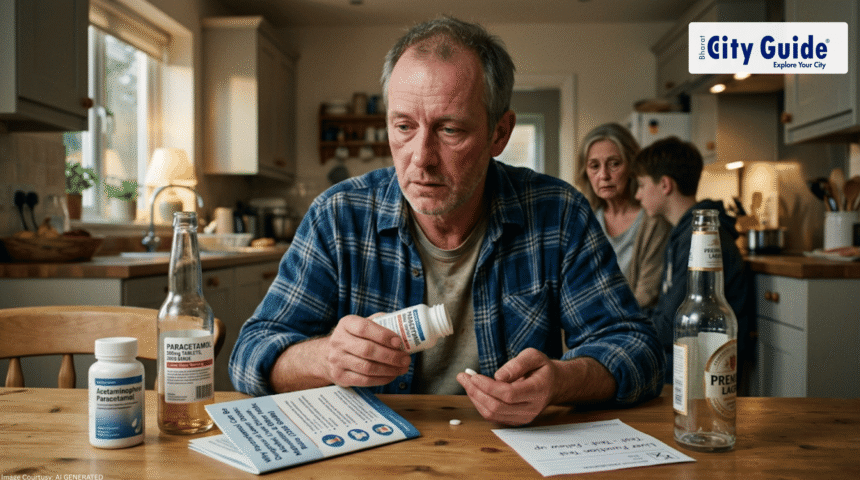
Paracetamol (acetaminophen) is one of the most trusted medicines for fever and pain worldwide. When used correctly, it is effective and generally safe.
But here is a lesser-known truth:
For some people, even “normal” doses can become risky.
Not everyone processes paracetamol the same way. Certain conditions and habits can shift the balance inside the liver—making smaller amounts more dangerous.
This 2026 guide explains:
- Why lower doses can be harmful in some people
- Who is at higher risk
- How alcohol, liver disease, and nutrition affect safety
- Practical safer-use limits
- When to seek urgent medical care
Understanding this can prevent silent liver damage and potentially save lives.
How Paracetamol Normally Works in the Body
To understand the risks, it helps to know how paracetamol is processed.
When you take paracetamol:
✅ Most is safely metabolized into harmless substances
✅ A small fraction turns into a toxic metabolite called NAPQI
✅ The body neutralizes NAPQI using glutathione
In healthy people:
- NAPQI is quickly detoxified
- Liver damage does not occur
Problems arise when:
- Too much NAPQI is produced
- Glutathione is low
- The liver is already stressed
That’s when toxicity can begin—even at doses some people assume are safe.
1️⃣ Chronic Heavy Alcohol Use
Alcohol is one of the most important risk factors.
Why Alcohol Changes Paracetamol Safety
Long-term heavy drinking:
✔ Induces liver enzyme CYP2E1
✔ This enzyme converts more paracetamol into NAPQI
✔ So a greater portion becomes toxic
At the same time:
- Alcoholics often have poor nutrition
- Glutathione stores are reduced
- Liver cells may already be damaged
This creates a “double hit”:
More toxin + less detox capacity.
Real-World Impact
Chronic drinkers:
- Have higher risk of severe liver injury
- Have higher mortality after overdose
- May develop toxicity at lower doses
Because their liver reserve is reduced, even doses near 4 g/day can be unsafe.
Important Nuance
Some people hear that alcohol “protects” against overdose.
The truth:
- Alcohol taken at the same moment as a single overdose may briefly compete for CYP2E1
- This might slightly reduce NAPQI formation temporarily
But in chronic drinkers:
➡ Overall risk is higher
➡ Not protective
➡ Long-term enzyme induction dominates
Practical Safer Limit for Regular Drinkers
Many doctors advise:
✔ Often ≤2 g/day maximum
✔ Personalized limits from a doctor
✔ Avoid repeated high dosing
2️⃣ Pre-Existing Liver Disease
Liver disease significantly alters safety.
Examples
- Viral hepatitis
- Fatty liver disease
- Cirrhosis
- Chronic liver inflammation
Why Risk Is Higher
These patients:
✔ Have reduced liver reserve
✔ May process drugs differently
✔ Tolerate toxic stress poorly
Even moderate overdoses can cause:
- Severe injury
- Acute liver failure
- Longer recovery
Some patients develop harm even within or slightly above recommended ranges.
Key Message
If you have liver disease:
Never self-adjust doses.
Always consult your doctor.
3️⃣ Malnutrition, Fasting, or Low Body Weight
This factor is widely overlooked.
Glutathione Is Nutrition-Dependent
Glutathione requires:
- Adequate protein
- Good nutrition
- Healthy metabolism
In malnutrition or fasting:
❌ Glutathione stores drop
❌ Detox ability weakens
❌ NAPQI causes more damage
Who May Be at Risk
✔ Under-nourished individuals
✔ Eating disorders
✔ Chronic illness patients
✔ Elderly with poor intake
✔ Very low body weight adults
✔ Hospitalized or frail patients
Compounding Risk
Alcohol use + poor diet is a particularly risky combination.
4️⃣ Enzyme-Inducing Medicines
Some medicines make the liver convert more paracetamol into NAPQI.
Examples
✔ Phenytoin
✔ Carbamazepine
✔ Phenobarbital
✔ Rifampicin
✔ Some TB medications
These drugs induce liver enzymes involved in NAPQI formation.
Implication
At the same paracetamol dose:
➡ More toxin is produced
➡ Toxicity risk rises
Such patients should use paracetamol cautiously and under guidance.
5️⃣ Delay in Treatment Is the Biggest Danger
Research consistently shows:
The strongest predictor of severe damage is delay in treatment.
Even more than dose in some cases.
Why Timing Matters
N-acetylcysteine (NAC):
✔ Replenishes glutathione
✔ Neutralizes NAPQI
✔ Protects liver cells
But it works best when given early.
Critical Window
Within ~8 hours is ideal.
Late treatment allows:
❌ Ongoing liver injury
❌ Worse outcomes
❌ Higher transplant risk
Other Risk Factors
Studies also show increased risk with:
✔ Higher ingested dose
✔ Alcohol abuse history
✔ Male sex
✔ Repeated supratherapeutic dosing
✔ Dehydration
But time to treatment often outweighs these.
Warning Signs of Liver Injury
Early symptoms may be mild.
Early Stage
- Nausea
- Vomiting
- Sweating
- Fatigue
- No symptoms at all
Later Stage
⚠ Yellowing eyes/skin
⚠ Dark urine
⚠ Confusion
⚠ Severe weakness
⚠ Right-upper abdominal pain
⚠ Easy bruising
These need urgent care.
Practical Takeaways for People Who Drink Alcohol
If you drink regularly:
✔ Stay below lower limits (often ≤2 g/day)
✔ Avoid mixing products
✔ Do not use for hangovers
✔ Space doses carefully
✔ Avoid prolonged use without doctor advice
General Safety Tips for Everyone
✔ Read medicine labels
✔ Track total daily dose
✔ Use weight-based dosing for children
✔ Avoid alcohol when ill
✔ Ask doctor if on other medications
✔ Store safely away from children
Why Paracetamol Is Still Widely Recommended
Despite risks, it remains valuable because:
✔ Effective for fever
✔ Safer for stomach than NSAIDs
✔ Suitable for many ages
✔ Affordable
✔ Useful in pregnancy when advised
The key is correct dosing and awareness.
Future Outlook (2026 and Beyond)
Healthcare is improving safety with:
- Better labeling
- Smart dosing apps
- Electronic alerts
- Public education
- Safer packaging
But personal awareness remains essential.
Responsible Conclusion
Paracetamol is not a “bad” medicine. It is a powerful and helpful one—when used wisely.
However, alcohol use, liver disease, malnutrition, and certain medicines can lower the safety margin.
Respecting dosing limits, knowing your risk factors, and seeking help early can prevent severe liver damage.
When in doubt, it is always safer to consult a healthcare professional.
FAQs
Q1: Can I take paracetamol if I drink socially?
Occasional light drinking is usually fine, but avoid heavy use and stay within limits.
Q2: Is 4 g/day safe for everyone?
No. Many people should stay below this, especially with risk factors.
Q3: Should liver patients avoid paracetamol completely?
Not always. It may be used at reduced doses under medical supervision.
Q4: Can fasting increase risk?
Yes. Prolonged fasting reduces glutathione.
Q5: What is the antidote?
N-acetylcysteine (NAC).
Q6: Can small repeated overdoses be dangerous?
Yes. Repeated high dosing can accumulate toxicity.
Q7: Is paracetamol safer than ibuprofen?
Different risks. Paracetamol is safer for stomach but riskier in overdose.