Introduction
India’s ambition to become a global technology and manufacturing powerhouse increasingly depends on one critical factor: the ability to design, build, and scale indigenous innovation rather than relying primarily on imported systems and external supply chains. While software and digital services have long been India’s strength, the future of strategic self-reliance also demands excellence in electronics design, semiconductor ecosystems, embedded systems, hardware innovation, and product manufacturing.
- Introduction
- These Incubation Centers May Offer:
- Strategic National Drivers:
- Includes:
- Opportunities:
- Fast-Growth Areas:
- Relevant For India:
- Core Functions:
- Advantages:
- Incubation Helps Bridge:
- Common Barriers:
- Potential Areas:
- Emerging Areas:
- Priorities:
- 1. What is Indian Electronics Startup Incubation?
- 2. Why are incubation centers important?
- 3. Which sectors benefit most?
- 4. Why are electronics startups harder than software startups?
- 5. Can universities help electronics innovation?
- 6. Why is indigenous electronics important?
- 7. What is the future of Indian electronics startups?
This is where Indian Electronics Startup Incubation is emerging as a powerful force.
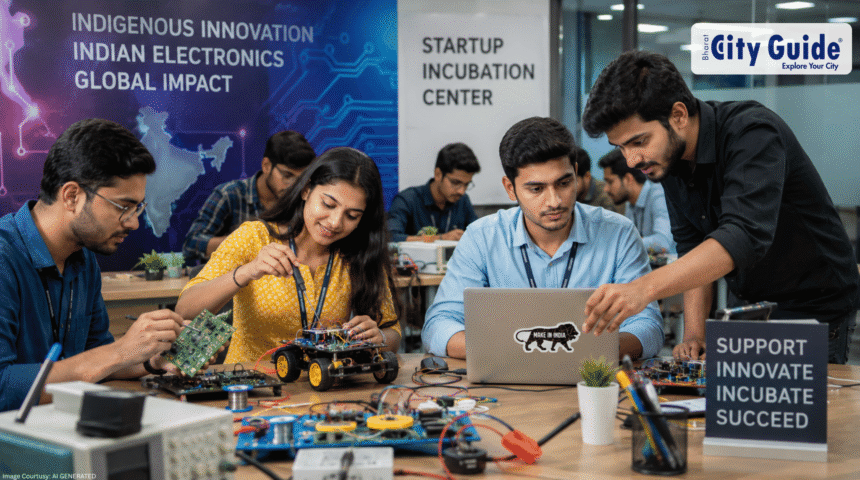
Startup incubation centers focused on electronics are helping entrepreneurs, engineers, students, and researchers transform ideas into market-ready solutions across sectors such as IoT, medical devices, EV components, agritech hardware, industrial automation, consumer electronics, and defense technologies. By offering mentorship, prototyping support, funding access, lab infrastructure, regulatory guidance, and ecosystem connectivity, these centers are nurturing a new generation of Indian hardware innovation.
In a world increasingly shaped by technological sovereignty, supply chain resilience, and deep-tech competition, India’s electronics future may depend heavily on how effectively incubation systems can convert talent into scalable innovation.
In this comprehensive guide, we explore the role of Indian Electronics Startup Incubation, why it matters, current opportunities, ecosystem structures, major challenges, policy relevance, and the future of indigenous electronics entrepreneurship.
What is Indian Electronics Startup Incubation?
Indian Electronics Startup Incubation refers to institutional ecosystems that support early-stage entrepreneurs and innovators developing electronics-based products or technologies.
These Incubation Centers May Offer:
- Prototyping labs
- Hardware testing facilities
- PCB design support
- Embedded systems mentorship
- Business advisory
- Investor connections
- IP guidance
- Manufacturing partnerships
Their purpose is to reduce barriers between concept and commercialization.
Why Indigenous Electronics Innovation Matters
Strategic National Drivers:
- Supply chain resilience
- Reduced import dependence
- National security
- Economic competitiveness
- Manufacturing growth
- Deep-tech leadership
Electronics increasingly power every major sector.
Why Hardware Startups Need Specialized Incubation
Unlike software startups, electronics ventures often face:
- Hardware costs
- Component sourcing
- Testing complexity
- Certification requirements
- Manufacturing barriers
- Longer product cycles
This makes incubation especially valuable.
Key Sectors Benefiting from Electronics Incubation
1. IoT and Smart Devices
Includes:
- Smart agriculture
- Home automation
- Industrial monitoring
- Wearables
2. Healthcare Electronics
Opportunities:
- Diagnostic devices
- Telemedicine hardware
- Portable health tech
3. EV and Mobility Systems
Fast-Growth Areas:
- Battery management
- Charging systems
- Sensors
4. Agritech Hardware
Relevant For India:
- Irrigation controllers
- Soil sensors
- Farm automation
5. Defense and Strategic Electronics
Domestic innovation can strengthen strategic resilience.
Role of Startup Incubation Centers
Core Functions:
- Technical mentorship
- Product validation
- Business model support
- Access to infrastructure
- Industry linkages
University-Based Innovation Ecosystems
Engineering institutions increasingly serve as innovation hubs.
Advantages:
- Talent pipeline
- Research support
- Faculty mentorship
- Laboratory access
Government Support and Policy Ecosystem
India’s broader industrial and startup missions increasingly emphasize:
- Manufacturing
- Innovation
- Entrepreneurship
- Electronics design
Incubation can act as implementation infrastructure.
Prototype to Product: The Biggest Leap
Many innovators can build prototypes but struggle to commercialize.
Incubation Helps Bridge:
- Design
- Certification
- Pilot production
- Go-to-market
Intellectual Property (IP) and Product Ownership
Indigenous innovation also means:
- Patent strategy
- Design ownership
- Competitive advantage
Funding Challenges in Electronics Startups
Hardware startups often require:
- More capital
- Longer runway
- Manufacturing finance
Incubators can improve investor readiness.
Manufacturing Ecosystem Importance
Strong incubation is most effective when linked to:
- EMS providers
- Component ecosystems
- Tooling support
- Supply chain partners
Challenges Facing Indian Electronics Startups
Common Barriers:
- Component imports
- Scale economics
- Certification complexity
- Infrastructure cost
- Talent specialization
Importance of Semiconductor and Component Awareness
While full-stack semiconductor dominance is complex, electronics innovation can still expand through:
- Design innovation
- Systems integration
- Product engineering
Rural and Grassroots Innovation Potential
Electronics incubation is not only urban.
Potential Areas:
- Rural automation
- Affordable diagnostics
- Water systems
- Educational hardware
Women in Electronics Entrepreneurship
Supporting women founders in hardware innovation can broaden ecosystem diversity and inclusion.
Global Competitiveness
Indian electronics startups can potentially compete through:
- Cost innovation
- Frugal engineering
- Emerging market relevance
- Localization
Sustainability in Electronics Innovation
Key priorities include:
- Energy efficiency
- Repairability
- E-waste awareness
- Durable design
Future Trends in Indian Electronics Startup Incubation
Emerging Areas:
- AI hardware
- Robotics
- Space electronics
- Climate tech devices
- Medical innovation
Building a Stronger Electronics Culture
India’s long-term success requires:
- Maker mindset
- Design confidence
- Product thinking
- Cross-disciplinary innovation
Best Practices for Effective Incubation
Priorities:
- Lab infrastructure
- Industry mentorship
- Funding pathways
- Regulatory support
- Manufacturing access
Why This Matters for India’s Future
A stronger indigenous electronics ecosystem can contribute to:
- Jobs
- Exports
- National capability
- Technological sovereignty
- Startup growth
Frequently Asked Questions (FAQs)
1. What is Indian Electronics Startup Incubation?
It refers to incubation support systems for startups building electronics products and technologies.
2. Why are incubation centers important?
They help innovators with prototyping, mentorship, funding, and commercialization.
3. Which sectors benefit most?
IoT, healthcare, EV, agritech, defense, and consumer electronics.
4. Why are electronics startups harder than software startups?
They often require hardware infrastructure, manufacturing, and more capital.
5. Can universities help electronics innovation?
Yes, they can provide labs, research, and startup ecosystems.
6. Why is indigenous electronics important?
It supports self-reliance, resilience, and economic growth.
7. What is the future of Indian electronics startups?
It appears promising, especially with policy support and incubation growth.
Conclusion
Indian Electronics Startup Incubation represents a crucial pillar in India’s journey from technology consumer to technology creator. By empowering entrepreneurs with infrastructure, mentorship, funding pathways, and commercialization support, incubation centers can unlock transformative indigenous innovation across critical sectors.
For India, this is about more than startups — it is about building strategic capability, manufacturing depth, and technological confidence.
As electronics increasingly shape economies, industries, and national resilience, strengthening startup incubation today may help define India’s position in tomorrow’s innovation landscape.
The path to indigenous excellence is challenging, but with the right ecosystem, India’s electronics future can be both self-reliant and globally competitive.