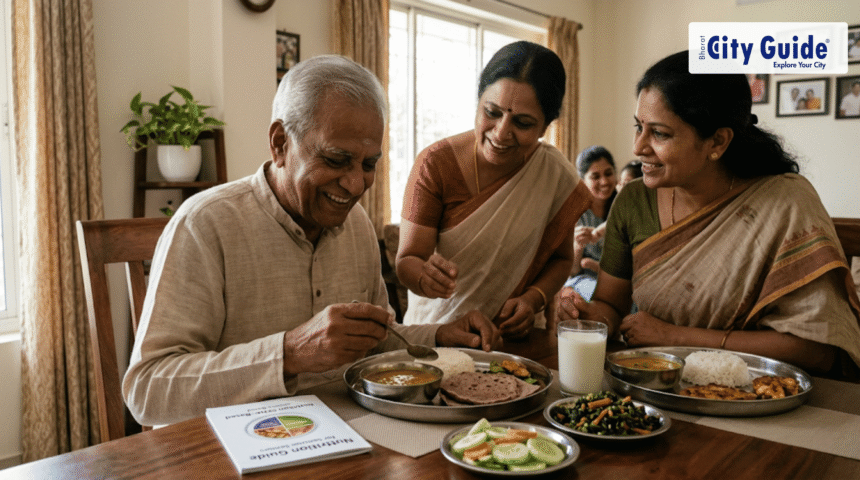
As Indian families navigate caring for aging parents or grandparents, nutrition often takes a backseat. Many elders eat very little, relying on tea, toast, or plain rice, leading to energy, protein, and micronutrient deficiencies. In 2026, research from ICMR, NIN, and Indian geriatric studies emphasizes that elderly nutrition is less about calories and more about nutrient density, balance, and digestion-friendly foods.
This comprehensive guide explains what works, common mistakes, and practical tips for Indian families to support healthy aging.
Why Elderly Nutrition Is Unique
1. Lower Energy Needs, Higher Nutrient Needs
- As metabolism slows with age, total calorie requirements drop.
- However, protein, calcium, vitamin D, B12, and essential fats are more critical to maintain muscle, bone, immunity, and cognition.
- Deficiency risks in Indian elderly:
- Sarcopenia: Muscle loss from inadequate protein
- Osteoporosis: Calcium + vitamin D deficiency
- Anemia: Low B12 + iron intake
- Cognitive decline: Linked to omega‑3, B12, and micronutrient deficiencies
- Sarcopenia: Muscle loss from inadequate protein
Key message: Small amounts of nutrient-dense foods are more important than large volumes of low-nutrient staples like white rice or biscuits.
2. Digestive Changes
- Reduced gastric acid, slower motility, and weaker appetite are common.
- Spices like ginger, cumin, and coriander can help digestion without overloading the gut.
- Soft, cooked foods are often better tolerated than raw or crunchy foods.
3. Hydration is Crucial
- Elderly often drink less due to lower thirst perception.
- Mild dehydration increases constipation, fatigue, dizziness, and kidney issues.
- Include water, chaas, herbal teas, and diluted fruit juices regularly.
Practical Indian Diet for Elderly
1. Protein-Rich Options
| Food | Notes |
| Dal (moong, masoor, chana) | Soft-cooked, lightly tempered with mustard/cumin for flavor |
| Paneer & low-fat cottage cheese | Can be added to sabzi, soups, or lightly grilled |
| Yogurt/curd | Fermented, gut-friendly, calcium-rich |
| Eggs (if non-vegetarian) | Boiled or lightly scrambled; easy to digest |
| Sprouted legumes | Moong sprouts in small portions for protein & micronutrients |
Aim for 1–1.2 g protein per kg body weight/day if possible.
2. Whole Grains and Fibre
- Soft khichdi, upma, idli, or soft rotis made from mixed flours (wheat + ragi/bajra)
- Include vegetables like carrots, beans, bottle gourd, pumpkin – soft-cooked to ease digestion.
- Fibre prevents constipation but should be gradually increased with adequate fluids.
3. Calcium, Vitamin D, and Bone Health
- Dairy: curd, milk, paneer
- Small fish (if non-veg), ragi, almonds, sesame seeds for calcium
- Sun exposure 10–15 min/day for vitamin D synthesis
- Optional: fortified milk or supplements as advised by a clinician
4. Healthy Fats
- Use cold-pressed mustard, sesame, or groundnut oil in moderation for cooking.
- Include nuts (almonds, walnuts) and seeds – soaked to improve digestibility.
5. Soft and Hydrating Foods
- Soups (dal, vegetable, chicken)
- Fruit-based smoothies (banana, papaya, milk/yogurt)
- Soft-cooked grains with vegetables
- Soaked dried fruits for micronutrients and fibre
Small, frequent meals (4–5/day) are better tolerated than 2–3 large meals.
Common Mistakes in Elderly Nutrition
- Over-relying on “light” foods: Tea, biscuits, white rice, or bread – may satisfy hunger but lack protein, calcium, and micronutrients.
- Skipping protein: Vegetarian or elderly picky eaters often have inadequate protein intake.
- Ignoring hydration: Leads to constipation, kidney strain, and fatigue.
- Over-spicing or heavy frying: Can upset digestion or increase heartburn.
- Long fasting or irregular meals: Can cause blood sugar dips, weakness, and decreased appetite.
Practical Daily Meal Plan (Indian Elderly)
| Meal | Example |
| Breakfast | Soft idli/dosa with sambhar + coconut chutney; small glass of milk or chaas |
| Mid-Morning Snack | Banana or papaya + soaked almonds |
| Lunch | Khichdi (moong dal + rice + vegetables) + curd + light pickle |
| Evening Snack | Roasted chana, fruit smoothie, or a small ragi/laddoo |
| Dinner | Soft roti (wheat + ragi) + dal + soft-cooked vegetables + paneer or egg bhurji; chaas |
Ensure small portion sizes but nutrient-dense combinations. Avoid plain white rice or toast as the only source of energy.
Tips to Improve Appetite and Nutrient Intake
- Spices & Herbs: Ginger, cumin, coriander, turmeric for flavor and digestion.
- Colorful vegetables: Stimulate appetite visually and provide antioxidants.
- Texture variation: Soft-cooked, mashed, and lightly roasted foods improve palatability.
- Social eating: Family meals encourage better intake and enjoyment.
- Hydration cues: Offer water or chaas with every meal.
Long-Term Benefits
- Muscle maintenance & mobility: Adequate protein reduces sarcopenia risk.
- Bone health: Calcium + vitamin D prevent fractures and osteoporosis.
- Better digestion & gut health: Fibre + fermented foods reduce constipation.
- Energy & cognitive health: Balanced meals stabilize blood sugar and mental alertness.
- Sustainable habits: Small, nutrient-rich meals prevent malnutrition without overfeeding.
Conclusion
Elderly nutrition in Indian families is less about restricting food and more about nutrient density, soft textures, hydration, and balanced meals.
Key takeaways:
- Focus on protein, calcium, vitamin D, B12, fibre, and hydration.
- Offer soft, palatable, nutrient-dense foods in 4–5 small meals.
- Avoid “light-only” staples like tea, toast, or plain rice.
- Include traditional Indian meals like khichdi, dal, paneer, curd, and vegetable upma.
- Use spices, herbs, and small amounts of healthy oil to improve digestion and appetite.
Reflection Question: Which one nutrient-dense change—extra dal, paneer, curd, or soft-cooked vegetables—can you incorporate into your elderly family member’s daily routine this week?
FAQ
Q1: How much protein should elderly Indians eat?
Aim for 1–1.2 g protein/kg body weight/day. Include dal, paneer, curd, eggs, or sprouted legumes.
Q2: Are milk and curd enough for calcium?
Yes, combined with ragi, sesame, almonds, and sunlight for vitamin D. Supplements only if deficiency is diagnosed.
Q3: How many meals should elderly have?
4–5 small, balanced meals are ideal for digestion and appetite.
Q4: Can elderly skip breakfast?
Skipping breakfast can reduce protein intake and energy; a soft, nutrient-rich breakfast like idli, upma, or khichdi is recommended.
Q5: Should fried snacks be avoided completely?
Yes, limit fried snacks. Use small amounts of cold-pressed oils for cooking and prefer roasted or lightly sautéed items.