Introduction
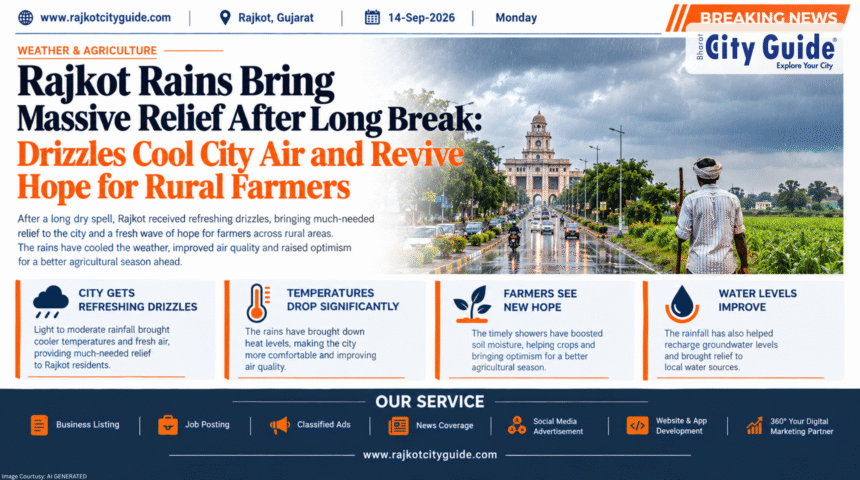
Monsoon dynamics across Western India often define the economic and social rhythms of agricultural hubs. After a prolonged dry spell that raised concerns over standing crops and depleting ground tables, Rajkot Rains have finally made a welcome return. Light to moderate showers began trickling across the city and surrounding rural belts, breaking the intense heat and bringing a noticeable drop in daily temperatures.
- Introduction
- What is Rajkot Rains?
- Why This News is Important
- Background Information
- Key Highlights
- Detailed Explanation of the Event
- Importance and Benefits of the Recent Rain
- How It Impacts Different Audiences
- Expert Insights and Agricultural Perspective
- Challenges and Considerations
- Future Outlook
- Frequently Asked Questions (FAQs)
- Conclusion
For the residents of Rajkot, the steady drizzle offers a refreshing break from humid conditions. More importantly, for the farming community across the broader Saurashtra region, these showers represent a lifeline. Groundnut, cotton, and sesame crops—which were facing moisture stress due to weeks of dry weather—are receiving critical hydration just in time for the late-monsoon growth phase.
This turn in the weather pattern aligns with regional meteorological forecasts predicting active monsoon cycles across Gujarat during the middle of September. From urban traffic intersections on the 150 Feet Ring Road to open agricultural fields in surrounding talukas, the return of rainfall has renewed optimism and sparked widespread civic and economic interest.
What is Rajkot Rains?
The phenomenon of Rajkot Rains refers to the seasonal monsoon precipitation experienced across Rajkot district and its neighboring areas in Saurashtra. Rajkot falls within a semi-arid to sub-humid climatic zone, making its annual rainfall distribution vital for regional hydrology, agricultural productivity, and municipal water security.
+--------------------------------------------------------------------------+
|                     RAJKOT MONSOON SYSTEM HYDROLOGY                      |
+--------------------------------------------------------------------------+
                                     |
    +--------------------------------+--------------------------------+
    |                                |                                |
    v                                v                                v
[ MONSOON TANKAGE ]           [ URBAN HYDROLOGY ]          [ AGRICULTURAL IMPACT ]
- Aji-1 Reservoir Storage      - City Drainage Networks     - Kharif Crop Hydration
- Nyari & Bhadar Dams          - Ring Road Surface Runoff   - Groundnut & Cotton Relief
- Groundwater Recharge         - Heat Island Reduction      - Soil Moisture Restoration
Key Components of Rajkot’s Rainfall System
- Monsoon Drivers: Driven primarily by Low-Pressure Systems, Cyclonic Circulations forming over the Bay of Bengal, and Off-Shore Troughs along the Arabian Sea coast.
- Primary Catchments: Rainwater feeds vital regional reservoirs including the Aji-1, Nyari-1, Nyari-2, and Bhadar dams, which form the drinking and industrial water backbone of the city.
- Agricultural Dependency: Over 70% of the rural workforce surrounding Rajkot relies on monsoon rains for rainfed Kharif cropping cycles.
- Micro-Climatic Shift: Transitioning from hot, dry summer spells to cool, humid monsoon breezes that lower ambient temperatures significantly.
Why This News is Important
The resurgence of precipitation across Rajkot holds major significance for urban administration, rural economics, and daily life:
1. Timely Interruption of the Dry Spell
A continuous dry break during peak monsoon months risks soil desiccation. The recent gentle showers provide steady soil absorption without causing instant surface runoff or erosion.
2. Revival of Kharif Crop Yield Expectations
Cash crops such as groundnut (mungfali) and cotton (kapas) are extremely sensitive to late-season dry spells. The recent precipitation revives hopes for optimal yields, directly protecting farmers’ capital investments.
3. Cooling Urban Micro-climates
Prior to the drizzle, Rajkot experienced high humidity combined with elevated late-summer temperatures. The steady rainfall has lowered ambient temperatures, delivering immediate relief to urban residents.
Background Information
Saurashtra’s weather pattern during the monsoon is known for its variability. While early monsoon spells often bring intense downpours that quickly fill local check dams, extended mid-season breaks can threaten crop development if low-pressure systems stall.
[ Extended Dry Spell & Rising Temperatures ]
                        |
                        v
[ Soil Moisture Loss & Crop Stress in Rural Talukas ]
                        |
                        v
[ Low-Pressure Weather System Activation in Sep 2026 ]
                        |
                        v
[ Widespread Slow Drizzle & Showers across Rajkot Region ]
During the current season, Rajkot had experienced an extended gap without significant rainfall. Temperatures began creeping upward, and agriculturalists in rural talukas like Jasdan, Gondal, Kotda Sangani, and Paddhari began voicing concern over crop health. The formation of fresh weather systems over central India and the Bay of Bengal pulled moisture back into Gujarat, bringing the steady rains back to the region.
Key Highlights
- Break End: Rajkot Rains return following a long break, bringing light to moderate drizzles across the urban area and countryside.
- Cooling Effect: Ambient temperatures experienced a sudden drop, replacing humid conditions with cool, refreshing breezes.
- Rural Coverage: Scattered showers and steady drizzles were reported across rural districts and farming villages near Rajkot.
- Crop Lifeline: Timely moisture replenishment for critical Kharif crops including groundnut, cotton, pulses, and fodder.
- IMD Forecast: Meteorological updates indicate continued localized rainfall activity and light-to-medium monsoon spells across Saurashtra.
Detailed Explanation of the Event
Over the past 24 to 48 hours, sky conditions over Rajkot shifted from overcast and humid to active drizzles and scattered rain showers. The rainfall started as a steady drizzle in the early hours and gradually covered both the core city areas and the surrounding rural landscape.
+--------------------------------------------------------------------------+
|                  RAJKOT REGIONAL RAIN DISTRIBUTION DYNAMICS              |
+--------------------------------------------------------------------------+
| Region Sector       | Precipitation Type & Environmental Impact           |
+---------------------+----------------------------------------------------+
| Central Rajkot      | Light to moderate drizzles; cooler air; easy traffic|
| Western Suburbs     | Intermittent light showers; street runoff clearance|
| Rural Talukas       | Beneficial rain spells; direct soil absorption    |
| Local Catchments    | Minor inflows into check dams & percolation wells  |
+---------------------+----------------------------------------------------+
Unlike torrential downpours that cause urban waterlogging, flash flooding, and disruption to civic infrastructure, this spell of rain arrived as a gentle, persistent drizzle. This allows maximum water percolation into the dry topsoil without overwhelming municipal drainage systems or disrupting city transport along major arterial roads like Kalawad Road, Yagnik Road, and Madhapar Chokdi.
In rural pockets, farmers who had been closely monitoring weather radars welcomed the moisture. The slow soaking rain ensures deep root absorption for standing crops, preventing premature boll shedding in cotton and improving pod formation in groundnut plants.
Importance and Benefits of the Recent Rain
The benefits of steady, non-destructive rainfall spread across multiple sectors:
1. Agricultural Soil Hydration
Gentle rain is ideal for agricultural land. It prevents soil compaction, allows root systems to absorb moisture gradually, and prevents fertilizers from washing away into field runoff.
2. Replenishing Groundwater Tables
Slow-soaking precipitation recharges shallow aquifers, borewells, and local open wells, securing local water availability through the upcoming post-monsoon months.
3. Air Quality and Temperature Reset
Rainfall effectively washes suspended particulate matter (PM2.5 and PM10) out of the city air, improving ambient air quality while creating pleasant, cooler weather for city dwellers.
How It Impacts Different Audiences
| Stakeholder Group | Direct Impact & Event Relevance |
| Farmers & Agriculturalists | Secures crop health, improves yield prospects, and reduces reliance on artificial tube-well irrigation. |
| Urban Residents & Families | Delivers relief from heat and humidity; creates pleasant weather for evening outings. |
| Civic Authorities (RMC) | Lower risk of emergency waterlogging interventions compared to sudden heavy downpours. |
| Local Businesses & Retailers | Boosts market footfall in commercial districts as pleasant weather encourages shopping activities. |
Expert Insights and Agricultural Perspective
Agronomists and meteorologists highlight that late-monsoon rain spells play a disproportionately important role in final crop harvest totals.
“A rain spell following a long mid-season gap acts as a force multiplier for rainfed crops like groundnut and cotton. When moisture arrives during pod filling and flowering stages, it prevents kernel shrinkage and maintains crop vigor. The steady nature of this rainfall maximizes percolation while minimizing topsoil loss.”
Weather forecasters also point out that active monsoon systems over the Western coast help maintain balanced seasonal totals for Saurashtra, reducing regional water deficits before winter sets in.
Challenges and Considerations
While the rains bring widespread relief, certain operational factors require monitoring by civic and rural bodies:
- Pest and Disease Monitoring: Sudden moisture after a warm dry spell can encourage crop pests or fungal diseases in humid field conditions, requiring prompt agricultural advisory guidance.
- Road Safety & Commuting: Drizzling rain creates slick road surfaces, particularly on bitumen and concrete roads with oil accumulation, requiring motorists to drive carefully.
- Infrastructure Maintenance: Municipal teams must ensure stormwater catch pits remain free of garbage to prevent localized pooling during extended drizzle spells.
Future Outlook
Looking ahead, weather tracking models indicate continued favorable conditions across Gujarat:
- Sustained Moisture: Intermittent light-to-moderate showers are expected to continue across parts of Saurashtra, maintaining pleasant weather conditions.
- Crop Recovery: Standing crops across rural Rajkot are projected to show rapid recovery, strengthening expectations for a stable Kharif harvest season.
- Reservoir Stabilization: Continued localized catchment rainfall will support water levels in regional storage dams like Aji and Nyari.
Frequently Asked Questions (FAQs)
1. What is the latest update on Rajkot Rains?
After an extended dry spell, Rajkot Rains returned with steady, gentle drizzles and light showers across the city and surrounding rural zones, cooling the atmosphere and providing timely crop relief.
2. How do these rains benefit local farmers in Saurashtra?
The timely rain provides vital moisture to Kharif crops like groundnut and cotton during their critical growth phases, preventing crop damage from soil dryness.
3. Has the rain caused any major waterlogging in Rajkot city?
No, because the rainfall has been largely light to moderate drizzles rather than a sudden heavy downpour, water percolates smoothly without causing major urban waterlogging.
4. Which areas around Rajkot received rain showers?
Showers and drizzles were reported across core Rajkot city areas as well as nearby rural talukas, including agricultural belts in surrounding districts.
5. What is the weather forecast for Rajkot over the coming days?
According to meteorological forecasts, localized monsoon activity and intermittent showers are expected to continue across parts of Saurashtra.
6. How does this rainfall impact drinking water supplies in Rajkot?
Rainfall over dam catchment areas helps replenish water levels in reservoirs like Aji-1 and Nyari, supporting municipal drinking water supplies for the city.
7. Why is gentle drizzle better for farming than heavy downpours?
Gentle drizzles allow water to soak deep into the soil and reach plant roots without washing away topsoil, fertilizers, or damaging fragile standing crops.
Conclusion
The return of Rajkot Rains after a long dry break brings a welcome turning point for both urban citizens and the agricultural community. The steady drizzles have refreshed the city air, lowered temperatures, and lifted public spirits across Saurashtra.
For farmers across the region, these timely showers deliver much-needed moisture to standing Kharif crops, laying the groundwork for a successful harvest season. As monsoon activity remains active, Rajkot looks forward to stable water resources, healthy agricultural yields, and pleasant weather ahead.