Introduction
Children today are growing up in a world that moves faster than ever before. Academic pressure, screen overload, social expectations, reduced outdoor activity, sleep disruption, and emotional overstimulation are increasingly shaping childhood experiences. As concerns around anxiety, attention difficulties, emotional dysregulation, and stress in children continue to rise, parents and educators are searching for practical, holistic, and sustainable wellness tools.
- Introduction
- These May Include:
- Common Modern Stressors:
- Benefits:
- Helpful Practices:
- This May Support:
- Core Benefits:
- Examples:
- Yoga May Help:
- Why?
- Best Approaches:
- Effective Practices:
- Helpful Tools:
- Family Practices:
- Common Barriers:
- Keep in Mind:
- Start Small:
- Keep It Fun:
- Prioritize Consistency:
- 1. Is yoga safe for children?
- 2. Can mindfulness reduce anxiety in children?
- 3. At what age can children start yoga?
- 4. Does yoga improve concentration?
- 5. Is yoga religious?
- 6. Can schools use mindfulness programs?
- 7. Should yoga replace therapy?
This is where Yoga and Mindfulness for Children, rooted in ancient Indian traditions, are gaining renewed importance. For centuries, Indian philosophical and wellness systems have emphasized harmony between body, mind, breath, and awareness. Today, these time-tested practices are being adapted in child-friendly ways to support emotional resilience, concentration, self-regulation, and psychological well-being.
Rather than being viewed solely as exercise or spirituality, yoga and mindfulness are increasingly recognized as accessible mental wellness practices that can empower children to navigate modern challenges with greater calm and confidence.
In this comprehensive guide, we explore how ancient Indian practices are enhancing children’s mental health, the science behind their benefits, practical applications, age-appropriate strategies, school integration, and the broader future of mindful childhood development.
What Are Yoga and Mindfulness for Children?
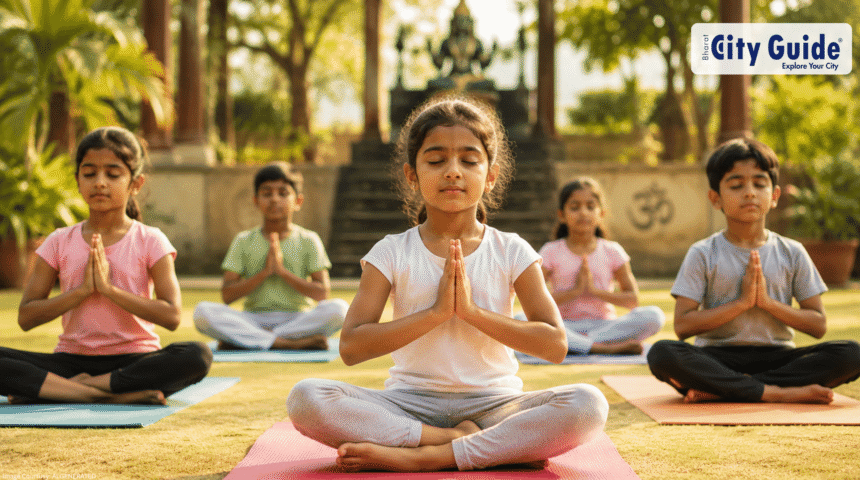
Yoga and Mindfulness for Children refer to age-appropriate adaptations of traditional Indian practices designed to improve physical, emotional, and mental well-being.
These May Include:
- Gentle yoga postures (asanas)
- Breathwork (pranayama)
- Guided relaxation
- Meditation
- Sensory awareness
- Gratitude practices
- Emotional observation
- Focus-building exercises
For children, these practices are often made playful, engaging, and story-based.
Ancient Indian Roots of Mental Wellness
India’s wellness traditions historically emphasized:
- Breath awareness
- Inner balance
- Discipline
- Emotional mastery
- Mind-body integration
Systems rooted in yogic philosophy recognized that mental peace and physical health are interconnected.
Why Children’s Mental Health Needs More Attention Today
Common Modern Stressors:
- Academic competition
- Social media exposure
- Reduced attention spans
- Family stress
- Sleep irregularity
- Peer pressure
- Emotional overload
Many children experience stress in ways that adults may overlook.
How Yoga Supports Children’s Mental Health
1. Emotional Regulation
Yoga encourages children to connect movement with breath.
Benefits:
- Calms nervous system
- Reduces impulsivity
- Improves frustration tolerance
- Supports self-awareness
Children gradually learn to pause instead of react immediately.
2. Stress Reduction
Gentle stretching, breathing, and relaxation may help reduce physiological tension.
Helpful Practices:
- Child’s pose
- Deep belly breathing
- Guided body awareness
- Relaxation exercises
3. Better Focus and Concentration
Mind-body practices can strengthen attentional control.
This May Support:
- Classroom concentration
- Homework routines
- Reduced distraction
- Cognitive discipline
The Role of Mindfulness in Child Development
Mindfulness teaches children to notice thoughts, feelings, and surroundings without immediate judgment.
Core Benefits:
- Emotional literacy
- Self-control
- Reduced anxiety
- Better social interactions
- Improved coping skills
Breathwork (Pranayama) for Children
Simple breath practices can be especially powerful.
Examples:
- Balloon breathing
- Bee breathing
- Counted breathing
- Alternate nostril awareness (age-appropriate)
Potential Benefits:
- Calmness
- Better sleep
- Anxiety reduction
- Improved energy regulation
Physical Benefits That Support Mental Wellness
Mental health and physical health are deeply connected.
Yoga May Help:
- Improve sleep quality
- Enhance posture
- Reduce restlessness
- Increase body awareness
- Encourage physical confidence
Social and Behavioral Advantages
Children practicing mindfulness often improve in:
- Patience
- Empathy
- Listening
- Cooperation
- Conflict response
This can strengthen family and school relationships.
Yoga in Schools: A Growing Trend
Many schools globally and in India are integrating:
- Morning breathing
- Stretch sessions
- Mindful breaks
- Meditation corners
Why?
Because preventive emotional wellness can improve learning environments.
Yoga and Mindfulness for Different Age Groups
Ages 4–7:
Best Approaches:
- Animal poses
- Story yoga
- Singing breaths
- Gratitude games
Ages 8–12:
Effective Practices:
- Structured asanas
- Focus games
- Guided mindfulness
- Journaling
Teens:
Helpful Tools:
- Stress relief yoga
- Meditation
- Self-reflection
- Emotional awareness
Parent Involvement Matters
Children benefit more when parents model wellness.
Family Practices:
- Morning stretching
- Bedtime breathing
- Gratitude circles
- Mindful walks
This builds consistency.
Potential Challenges
Common Barriers:
- Short attention spans
- Misconceptions about yoga
- Over-structuring
- Performance pressure
Practices should remain supportive, not competitive.
Making Ancient Traditions Modern and Child-Friendly
Successful adaptation often includes:
- Games
- Stories
- Music
- Visuals
- Playfulness
This preserves benefits while increasing engagement.
Scientific Interest in Mind-Body Practices
Modern research increasingly explores yoga and mindfulness for:
- Stress reduction
- Behavioral support
- Attention
- Emotional regulation
While results vary, many educators and families report positive experiences when practices are consistent and age-appropriate.
Cultural Significance and Identity
For Indian families, yoga can also provide:
- Cultural connection
- Heritage appreciation
- Traditional knowledge
- Holistic lifestyle values
Risks and Important Considerations
Keep in Mind:
- Not a replacement for professional mental healthcare
- Should be age-appropriate
- Avoid forced participation
- Qualified instruction matters
Children with significant mental health challenges may still need expert support.
Best Practices for Starting Yoga and Mindfulness for Children
Start Small:
- 5-minute breathing
- Gentle stretching
- One calming routine daily
Keep It Fun:
- Stories
- Imagination
- Rewards
Prioritize Consistency:
Regularity often matters more than intensity.
The Future of Child Wellness
As awareness grows, yoga and mindfulness may increasingly become:
- Preventive wellness tools
- Educational support systems
- Family bonding practices
- Emotional literacy frameworks
Frequently Asked Questions (FAQs)
1. Is yoga safe for children?
Yes, when age-appropriate and properly guided.
2. Can mindfulness reduce anxiety in children?
It may help some children improve emotional regulation and stress management.
3. At what age can children start yoga?
Many children can begin simple forms in early childhood.
4. Does yoga improve concentration?
Many families and schools report better focus with regular practice.
5. Is yoga religious?
Yoga can be practiced as physical and mental wellness without religious instruction.
6. Can schools use mindfulness programs?
Yes, many schools integrate age-appropriate wellness practices.
7. Should yoga replace therapy?
No, it can complement but not replace professional care when needed.
Conclusion
Yoga and Mindfulness for Children, inspired by ancient Indian traditions, offer a meaningful bridge between timeless wisdom and modern mental health needs. In a world where children face increasing cognitive and emotional demands, these practices provide practical tools for calmness, awareness, resilience, and balance.
By adapting breath, movement, and mindfulness in age-appropriate ways, parents, educators, and communities can help childen build healthier relationships with themselves and the world around them.
Ancient traditions continue to offer modern relevance — and for many children, yoga and mindfulness may become not just activities, but lifelong foundations for emotional well-being.